


ADU vs Home Addition: Which Option Is Best for Your Property?
Imagine standing in your own backyard, blueprint in hand, envisioning all the ways you could expand—maybe an accessory dwelling unit (ADU) for family or rental income, or a spacious home addition for a growing household. As Bay Area homeowners look to enhance property value or accommodate changing family needs, choosing between an ADU or a home addition has never been more relevant or impactful. This comprehensive guide breaks down every factor to help you make the smartest expansion decision.
Choosing Between an ADU and a Home Addition: Setting the Stage for Your Property’s Growth
In today’s dynamic residential landscape, property owners are often torn between adding an accessory dwelling unit (ADU) or opting for a home addition. Both choices can dramatically transform a property’s functionality, value, and appeal, but each comes with its own set of legal, practical, and design considerations. The decision isn’t just about extra living space—it’s about making a strategic investment that aligns perfectly with your goals, whether that’s housing a loved one, generating rental income, or simply stretching out within your current home’s footprint.
As local regulations around accessory dwelling units relax and affordable housing initiatives gain steam, Bay Area homeowners are increasingly eyeing ADUs as a way to address everything from multigenerational living to future-proofing their investments. However, a well-executed home addition remains an attractive path for those seeking direct, seamless expansion integrated with the main home. By exploring their advantages, drawbacks, and the nuances of ADU vs home addition projects, this article sets the stage for your property’s next chapter—empowering you to make an informed, confident decision.

Understanding the Importance of ADU Expansion and Home Additions
Accessory dwelling units and home additions are more than just square footage upgrades—they’re solutions to real-life challenges faced by homeowners. With the San Francisco Bay Area’s high demand for both affordable housing and functional living arrangements, choosing the right approach can impact everything from family dynamics to your property’s long-term appreciation. ADUs introduce the flexibility of creating a semi-independent or fully separate space, often usable as a rental, while home additions are about tailoring your current home to fit changing needs. At the intersection of practicality, creativity, and compliance, these options provide homeowners with tools to maximize potential within existing zoning regulations.
A strategic expansion can mean the difference between outgrowing your home and reimagining its possibilities. Whether you’re motivated by the prospect of rental income, family needs, or simply seeking more “elbow room,” it’s crucial to consider both the financial and lifestyle implications of each choice. The path you choose affects not only your living situation but also property appeal, resale value, and neighborhood character. That’s why navigating the difference between an ADU and a conventional addition is one of the most important decisions you’ll make as a property owner.
When weighing your options, it can be helpful to see how real homeowners have approached similar projects. For a closer look at a successful expansion, explore this Addition and Home Remodel in San Jose to gain practical insights into the process, challenges, and results of a home addition in the Bay Area.
What You’ll Learn in This Comprehensive Guide to ADU and Home Addition Choices
The key differences between ADUs and home additions
Legal, functional, and design considerations for ADU and home additions
Permitting, zoning, and common challenges for accessory dwelling units
Expert insights and best practices in the San Francisco Bay Area
Defining ADU, Dwelling Unit, and Home Addition: Key Terms Explained
What Is an ADU (Accessory Dwelling Unit)?
An ADU, or Accessory Dwelling Unit, is an independent residential unit located on the same lot as a primary single-family home. This type of dwelling unit is self-contained, typically featuring its own kitchen, bathroom, and entrance. ADUs come in several forms: detached structures (“backyard cottage” or “granny flat”), attached units sharing a wall with the main home, or conversions of existing spaces like garages or basements. They offer a flexible solution for affordable housing, accommodating aging family members, or generating rental income without needing to purchase a new property. In markets like the Bay Area, demand for well-designed accessory dwelling units is rising as homeowners explore creative ways to maximize their lot size and property value while complying with evolving zoning code and development regulation standards.
What Qualifies as a Home Addition?
A home addition refers to expanding the footprint or volume of the main house. Unlike ADUs, additions directly integrate with the existing structure and aren’t intended to be stand-alone residences. Common forms include expanding a kitchen, adding bedrooms, building a new floor, or enclosing a porch to create sunrooms or extra living space. These projects maintain architectural cohesion and generally involve less zoning complexity, although they still require thorough permitting and inspections. The main advantage is the seamless, custom integration into your home, ideal for families who want more space but don’t need a separate dwelling unit or rental component. Whether you want to accommodate a home office, a playroom, or multigenerational living under one roof, additions provide flexibility within the bounds of your existing home design and local zoning regulations.
Accessory Dwelling vs. Traditional Dwelling Units
The main difference between an accessory dwelling unit (ADU) and a traditional dwelling unit boils down to independence and integration. An ADU is considered “accessory” because it supports the primary home’s function but maintains its own utilities, entrance, and living amenities. In contrast, a traditional dwelling unit (like your main house) directly shapes your property’s identity. Adding an ADU increases residential density without fulling splitting your property into separate parcels, which can be beneficial in areas prioritizing affordable housing, rental income, or flexible living arrangements. Both offer potential for expanded living space, but only ADUs deliver the rental or multi-family benefits without converting your single-family lot into a full multifamily property.
Types of ADUs: From Detached ADU to Garage Conversion
Detached ADUs: Features and Benefits
A detached ADU stands on its own, separate from the main home—think of a compact cottage or backyard rental nestled in your rear yard. Detached ADUs offer exceptional privacy, independence, and flexibility for tenants or family, while maximizing unused property areas. They’re often regarded as the most “livable” adu type, ideal for creating a rental unit or housing family members with a sense of separation.
Attached ADUs
Attached accessory dwelling units share at least one wall with the main dwelling but operate completely independently from it. This approach can be more cost-effective than detached options, particularly if you capitalize on existing structure or plumbing, and is often suitable when lot size or local zoning restrict new stand-alone construction.
Garage Conversion and Tiny House Options
Transforming an existing garage into a garage conversion ADU is one of the most popular ways to add usable dwelling unit space in high density areas. This method leverages existing structures for cost and permitting advantages. Additionally, tiny house ADUs or “micro-units” offer especially compact footprints, ideal for homeowners with limited lot size who still seek an independent living space. No matter the type of ADU, the core goal remains creating flexible, code-compliant, and functional living space on your property.
Home Additions: Common Forms and Their Appeal
Room Expansions and Bump-outs
One of the most straightforward home addition types is a room expansion—extending an existing room outward or adding a “bump-out” for an office, bedroom, or expanded kitchen. These additions are perfect for property owners needing targeted space improvements and are especially common in the Bay Area’s bungalows and ranch-style homes.
Second-Story Additions
Adding a second story can effectively double your home’s living space without reducing yard space, which is a premium in tightly-zoned neighborhoods. This approach can dramatically increase square footage and add significant value, but it does require careful structural engineering and a more intensive permitting process.
Sunrooms and Enclosures
Creating a sunroom or outdoor enclosure is another way to boost living space, enhance year-round comfort, and improve your home’s architectural charm. These additions offer flexibility for use as relaxation zones, hobby spaces, or play areas—all directly integrated into your primary residence.

Comparing ADU to Home Addition: Pros and Cons
Category | ADU (Accessory Dwelling Unit) | Home Addition |
Primary Purpose | Independent living/rental income | Extend main home’s living space |
Permit Complexity | Additional regulations/zoning | Straightforward but still regulated |
Rental Income Potential | High—can legally rent in many zones | Low—not typically a separate rental unit |
Integration | Separate structure or unit | Seamlessly blends with existing house |
Cost | Can be lower for garage/attic conversions; higher for detached | Varies by scale and design |
Resale Value Impact | Strong, especially in high-rent areas | Strong, but more dependent on main home market |
Flexibility | Can house family, caregivers, or tenants | Expands utility for current household |
ADU Advantages: Affordable Housing and Rental Income
ADUs are a favorite choice among homeowners seeking flexibility and affordable housing solutions. Because they’re fully independent, ADUs can serve as homes for relatives, allow aging in place, or create steady rental income that defrays mortgage costs. In some jurisdictions, local incentives and streamlined permitting make ADUs even more appealing, especially where rental markets are competitive. The rise of “backyard cottage” and “granny flat” ADUs demonstrates their growing popularity in urban and suburban neighborhoods. Whether for family or as a professionally managed rental, an ADU can multiply your property’s value, adaptability, and appeal—especially in markets like California where affordable housing is scarce.
For homeowners conscious of future-proofing their investment and creating a flexible asset, ADUs promise not only private living arrangements but also the opportunity to maximize underused lot size, convert existing garages, or create vibrant secondary units within your own backyard. Many Bay Area property owners now view ADUs as both a practical family decision and a smart financial move.
Home Addition Advantages: Flexibility and Direct Integration
Unlike an ADU, a home addition is all about immediate, contiguous living space. From a utility perspective, additions give you full creative control over room layout, architectural style, and function—whether you’re adding a sunlit breakfast nook, a largescale family room, or an upper story for extra bedrooms. This approach integrates seamlessly with the existing home, preserving neighborhood character and simplifying accessibility. For homeowners who want to avoid the complexities of separate rental permits, dual utilities, or strict zoning, additions remain a reliable and highly customizable way to adapt a home for changing life stages.
Home additions also allow you to prioritize design features that match your taste—from oversized kitchens to statement staircases—without the restrictions of separate entrances or utility hookups. The result is a personalized, harmonious living space tailored to your daily needs and long-term home value.
Legal Requirements: Permitting, Lot Size, and Zoning for ADUs and Home Additions
Building Permit Essentials for Accessory Dwelling Units
One of the first steps in your ADU journey is understanding the building permit process. Every jurisdiction has distinct rules for accessory dwelling units, and even slight variations in zoning district or property location can impact what’s allowed. ADUs generally require more detailed design submissions—covering everything from fire separation to parking, utility upgrades, and sometimes additional environmental reviews. Many Bay Area cities, including San Jose, have established streamlined processes to encourage ADU development, but thorough documentation and strict compliance are still required.
Working with a licensed contractor and consulting your local planning department is crucial. Applications must address setbacks, size limits, and design requirements. By properly navigating the permitting and inspection protocols, you avoid costly delays and ensure your ADU adds lasting value.
Lot Size Restrictions for ADU and Home Addition Projects
Lot size directly determines which building options are feasible. For ADUs, local zoning regulations or development regulation often specify a minimum lot size or restrict ADUs to certain family residential zones. This is to preserve neighborhood character, reduce street congestion, and ensure emergency access. Home additions must also be planned within set lot coverage limits, maintaining required setbacks from property boundaries and not exceeding maximum allowed building heights.
Before investing in design or architectural fees, verify your property’s eligibility for the specific type of ADU or addition you envision. Feasibility studies and consultations with experts like Golden View Renovation can help you avoid common pitfalls, especially in the diverse municipalities of the Bay Area.
Zoning Differences: Accessory Dwelling vs. Home Addition
Zoning is perhaps the most important factor distinguishing ADU projects from standard additions. ADUs often face more rigorous zoning scrutiny regarding occupancy, parking, setbacks, and maximum size, especially when used for rental income or short-term housing. Local zoning codes may treat accessory dwelling units differently from conventional additions, with unique requirements for access, utility separation, and even exterior design. While home additions usually follow straightforward residential zoning paths, ADUs may need to meet “density” standards or have limitations on ownership and resale.
If you’re in a community with active neighborhood associations or historic review boards, be sure to check for overlay regulations or CC&Rs (conditions, covenants, and restrictions) that may further limit your options.

Design and Functionality: Customizing Your Space
Designed for Independence: ADUs as Separate Dwellings
A well-designed ADU is more than an extra unit—it’s a self-sufficient home with privacy at its core. Smart adu design focuses on maximizing space efficiency, energy usage, and accessibility, using independent entrances, kitchens, and bathrooms to ensure the resident’s autonomy. By meeting requirements for independent utilities, soundproofing, and private outdoor space, ADUs can easily transition between uses: from family quarters to tenant rentals or caregiver suites.
Seamless Integration: Blending Home Additions
In contrast, home additions emphasize merging the new with the old, matching architectural details like rooflines, siding, and windows to blend with the main house. Whether it’s a family room, master suite, or expanded kitchen, the goal is to create uninterrupted flow and maximize usability. Modern home additions are designed with open-plan living, indoor-outdoor transitions, and flexible use in mind—enhancing your main home’s functionality and resale profile.
Financial Considerations: Affordable Housing, Rental Income, and Long-Term Value
Maximizing Rental Income with an Accessory Dwelling Unit
The Bay Area’s high demand for affordable housing and low rental vacancy rates make ADUs a compelling investment for homeowners. By building a code-compliant ADU on your property, you can tap into consistent rental income—covering mortgage expenses or supplementing your retirement. Detached ADUs, garage conversions, and even tiny house formats are now sought after by singles, couples, and students seeking entry-level housing in prime neighborhoods. With diligent tenant screening and professional management, an ADU can turn your backyard into a self-sustaining profit center without disrupting your primary daily routines.
Whether your goal is to generate income or provide affordable options for family, the flexibility of ADUs is hard to match; they remain a practical alternative to traditional rental property investment.
Appreciation & Resale Value: ADU vs. Home Addition
Both ADUs and home additions significantly influence your home’s market value. In the current climate, properties with permitted ADUs are in high demand, often commanding premium prices due to income potential and flexible occupancy. As cities endorse greater residential density, especially in the Bay Area, a finished ADU can make your listing stand out—attracting buyers seeking in-law suites, investment properties, or multi-generational housing.
Home additions, while offering less rental flexibility, boost value by directly increasing livable square footage. Expanding a home’s footprint—from a new primary suite to family-friendly communal spaces—remains a timeless appeal to potential buyers.
Common Financing Options
Financing an ADU or home addition may seem daunting, but a range of options exist to suit varied homeowner needs. Traditional HELOCs (home equity lines of credit), cash-out refinancing, renovation loans (like the FHA 203(k)), and in California, dedicated ADU grants, can all support your project. Partnering with a local bank, credit union, or renovation specialist ensures you select the product with the most favorable terms, matching your long-term goals and budget. Always work with trusted contractors and financial advisors to avoid overleveraging and to make your project a financial success.
“ADUs not only create flexible living arrangements, they can turn your backyard into a source of steady rental income.” – Golden View Renovation Expert
Regional Regulations: ADU Requirements Across the U.S.
California’s $40,000 Grant for ADUs
California remains at the forefront of ADU-friendly policies, including the celebrated $40,000 ADU grant. This initiative, administered through the California Housing Finance Agency (CalHFA), offers qualified property owners funds to offset the cost of pre-development, permitting, and construction for new ADUs. The goal is to boost affordable housing stock by making these projects financially accessible to more homeowners. Leveraging this grant in the Bay Area can make the difference between a dream and reality, so if you’re considering an accessory dwelling unit, consulting programs like these is a must.
Key Factors to Weigh for Your Property
Space Needs: ADU vs. Home Addition
Consider your immediate and future space requirements. If you need a completely separate dwelling unit for rental, extended family, or caregivers, an ADU is ideal. If your focus is on expanding communal or private areas within your main home, a home addition provides seamless integration.
Intended Use and Lifestyle Preferences
How do you plan to use your new space? For rental income, flexible living arrangements, or aging-in-place solutions, ADUs are especially effective. If your goal is organizational harmony and uninterrupted household connectivity, a home addition makes more sense.
Neighborhood Character and Restrictions
Evaluate your neighborhood’s character, zoning regulations, and association rules. Some communities may have visual or size restrictions, while others actively encourage ADUs for affordable housing. The right choice balances your dreams with the property’s regulatory environment.
Real-World Scenarios: Choosing the Right Path in the San Francisco Bay Area
“Our clients are often surprised how a well-executed ADU or addition can transform both their lifestyle and their property’s value.” – Project Manager, Golden View Renovation
Bay Area homeowners face unique challenges: limited space, high property values, and distinctive local zoning. Many have successfully leveraged detached ADUs as income properties or family suites, while others have transformed cramped homes into open-plan showpieces with targeted additions. For example, retirees add ADUs as future rental income or in-law suites, while growing families expand their living space upward or outward through creative architectural additions. Working with a local contractor who knows San Jose’s nuances ensures your project respects neighborhood norms and unlocks the full value of your investment.
No matter which path you pursue, the key is aligning your project with both immediate needs and long-term flexibility. The Bay Area’s diverse zoning landscape means a thoughtful, informed approach pays off—bringing functionality, income, and property value together.
Expert Tips for a Successful ADU or Home Addition Project
Engage a Licensed General Contractor Early: Involving experienced professionals at the outset helps avoid costly design errors or surprise permit obstacles.
Understand All Local ADU and Home Addition Regulations: Every city has its own rules—make a checklist or consult your planning department for the latest codes.
Choose a Design That Fits Your Long-Term Needs: Anticipate future use—such as aging relatives, grown children, or potential renters—when finalizing your layout and features.
Plan for Permits and Inspections: Build in time for plan checks and scheduled inspections to keep your project timeline on track.
Summary and Decision-Making Guide for ADU and Home Addition Projects
Recap of Key Differences: ADU vs. Home Addition
Checklist for Choosing the Best Option
While both ADUs and home additions increase property value and utility, ADUs offer independence, rental potential, and flexibility, while additions are best for integrated living space expansion. When deciding, weigh local regulations, long-term goals, and family needs for the most rewarding result.
If you’re inspired to take your property to the next level, consider how a holistic approach to home improvement can further enhance your living experience. Beyond additions and ADUs, thoughtful upgrades to key spaces—like a modern kitchen or a spa-inspired bathroom—can dramatically boost both comfort and value. For more ideas on transforming your home’s most important spaces, discover expert strategies in Transforming Your Bay Area Kitchen. Exploring these advanced renovation options can help you create a cohesive, future-ready home that truly reflects your lifestyle and aspirations.
Ready to Expand? Connect with Our Golden View Renovation Experts
Connect with one of our team Experts to get more information on how to expand your home in the smartest and best way possible.
Sources
What is an ADU (Accessory Dwelling Unit) – https://www.buildinganadu.com/what-is-an-adu
Accessory Dwelling Units – https://www.hcd.ca.gov/building-standards/adu

Connect with one of our team experts to get more information on how to expand your home in the smartest and best way possible.
Golden View Renovation
Address: 1545 Berger Dr, San Jose, CA 95112
Email: Info@goldenviewrenovation.com
Phone: (408) 908-8281
License number: 1072628


How to Prepare Your Home for a Remodeling Project in San Jose
Modern remodel projects in San Jose are more complex—and expensive—than ever before. With the Bay Area’s stringent building codes and the city’s robust real estate market, homeowners must navigate more moving parts, tighter timelines....



Completely New to Home Improvement and DIY? Here's Exactly Where to Start in San Jose
Why Starting Small Is the Smartest Move for New DIYers You wouldn’t learn to cook by tackling Thanksgiving dinner, right? The same basic idea applies here. The biggest mistake we commonly see from first-time DIYers in San Jose is jumping into a full bathroom remodel or an extensive kitchen overhaul before they’ve ever really held a level in their hands.


Home Remodel Timeline: From Initial Design to Final Walkthrough
Ever wondered why some home renovation projects feel seamless while others drag for months? The secret could be in their home remodel timeline. Explore how mapping out your remodel from start to finish powers project success and delivers the full transformation you envision.


What is the Average Cost to Build and Accessory Dwelling Unit in the Bay Area?
Did you know? In California alone, permits for accessory dwelling units have increased by over 1,100% in the past decade. With urban housing needs constantly evolving and more families seeking flexible living solutions, the drive to build an accessory dwelling unit (ADU) has never been stronger....

Tired of Your Space? How Home Remodeling Transforms Lives
Did you know that over 58% of homeowners who invest in home remodeling say it has improved their sense of well-being and happiness at home? If you’re tired of your space—outdated kitchen, cramped living room, energy-hungry appliances—consider this: a home remodel doesn’t just make things look better; it can also transform the way you live.


Home Additions vs Moving: Which Makes More Financial Sense?
Are you rethinking your living space and wondering if expanding your home is smarter than starting over somewhere new? It’s a question many Bay Area homeowners face—should you invest in a home addition, or is it more sensible to move to a larger house?


Unlock the Secret of Types of Window Installations Today in San Jose
Did you know that selecting the right types of window installations can boost your home's energy efficiency by as much as 30%? Whether you’re renovating a classic bungalow, updating a modern townhouse, or preparing for a full remodel, understanding the various types of window installation is crucial for comfort, savings, and style.
Converting a Garage into a Living Space in San Jose: A Practical Guide
Garage conversion in San Jose has quickly become a leading trend in home remodeling, and it’s not hard to see why. With property values on the rise and the demand for flexible, functional living spaces at an all-time high....


When Should You Renovate Instead of Rebuild Your Bay Area Home?
Imagine standing on the sun-warmed steps of your Bay Area home, studying cracked paint and aging windows as your family dreams of more comfortable, modern living. In a city where home repair decisions shape not just your lifestyle but your long-term investment, choosing whether to renovate or rebuild your Bay Area home isn’t just about preference—it’s a pivotal financial and emotional choice...


How to Prepare Your Family for a Major Home Renovation
Imagine your kitchen echoing with laughter and sunlight as your family gathers around a table strewn with renovation plans—paint swatches, blueprints, and hopeful ideas. While the promise of a stunning home remodel is exciting, the reality of a home renovation can feel overwhelming.


The True Cost of Home Renovation in San Francisco Bay Area Revealed
Did you know that more than 60% of homeowners in the San Francisco Bay Area underestimate their renovation costs by over 30%? If you’ve ever wondered why your renovation budget spirals out of control, you’re not alone....
What Should Be Included in a Home Renovation Contract?
Picture this: you’ve finally decided to turn your current house into your dream home. From kitchen upgrades to room additions, the possibilities are exciting—but without the right home renovation contract, your remodeling project can unravel quickly.

The Benefits of In-House Design and Construction Services
Imagine stepping into your dream home—one that reflects your unique personality, meets your family’s needs, and is tailored with precision down to every square foot. Now, imagine that journey made seamless, guided by a single team from the first sketch to move-in day. With in-house house design and construction services, your vision becomes reality more efficiently and with less stress than ever before.


Find the Best Contractor for Room Additions in San Jose
Did you know that homeowners in San Jose see an average return of 65% on major home addition projects? With the competitive Bay Area housing market, adding new spaces isn’t just about extra square footage—it’s about making a smart investment. Whether you envision a custom home office, a spacious family room, or a guest suite, the right contractor for room addition in San Jose can help you transform your living space and significantly boost your property’s value.


ADU – Accessory Dwelling Unit – Construction
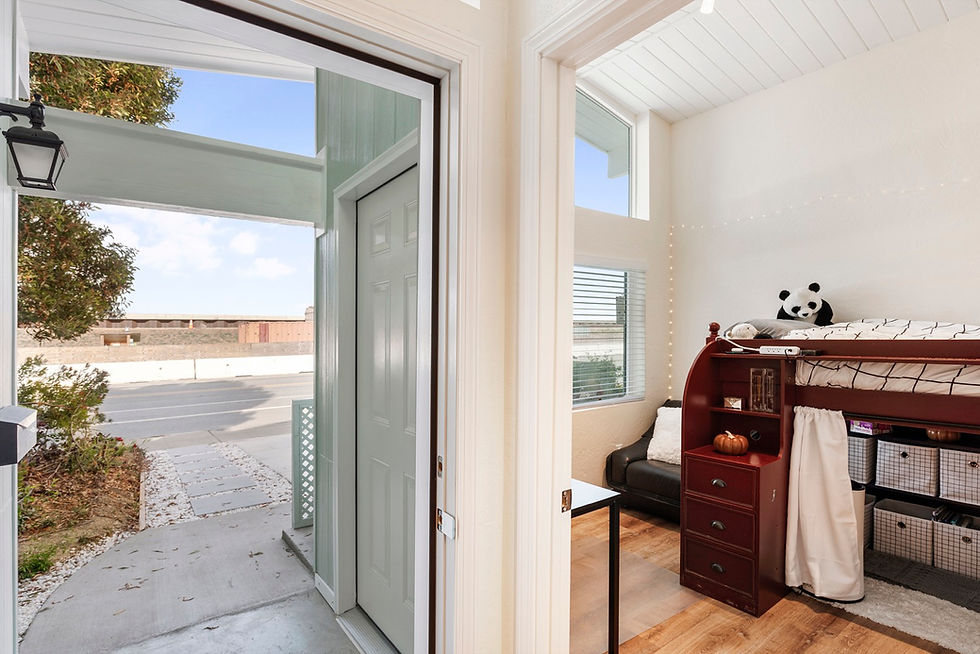
San Jose’s zoning regulations have seen significant changes over the last few years. This shift is beneficial for homeowners. However, it also means much of the information found online is outdated, a point we frequently hear from homeowners. We want to share what truly matters for ADU projects right now.


Discover the Secret of San Jose Sustainable Modern House Design
Did you know that some San Jose homes adopting green building practices have reduced energy consumption by up to 40%? As sustainability takes center stage in the Bay Area, these modern homes are reshaping what it means to live well—and responsibly. If you're eager to reduce your carbon footprint and cut your energy bills, the secret to future-proof living might just be in the way these innovative homes are designed.
.jpg)
Smart Home Technology Integration for Bay Area Remodels
Did you know that nearly 60% of Bay Area homeowners now see smart home upgrades as essential in any new remodeling project? As technology swiftly reshapes the way we live, the demand for smart home remodels in the Bay Area is not just growing...

Unlock Stunning Home Renovation Ideas to Transform Your Space
Are you ready to reimagine your San Francisco Bay Area home with Inspiring home renovation ideas? Whether you wish to overhaul your living space or give it a simple, modern touch, the right renovation idea can make all the difference....

.jpg)
Energy-Efficient Renovation Upgrades That Lower Utility Bills
Imagine walking into your home on a hot summer afternoon, greeted by cool, refreshing air and bright natural sunlight streaming through efficient windows—knowing all the while that your monthly utility bills are lower than ever. This is the reality for homeowners who invest in energy-efficient renovation upgrades.

Eco-Friendly Kitchen Remodeling: Sustainable Design Options for Bay Area Homes
Did you know that kitchen remodels account for a significant percentage of landfill waste in the Bay Area each year? This eye-opening fact highlights why more Bay Area homeowners are turning to eco-friendly kitchen remodeling as a way to minimize environmental impact, boost home value, and create healthier spaces for their families...

.jpg)
Modernizing an Older Bay Area Home Without Losing Its Character
Ever wondered if it's possible to give your historic Bay Area home a fresh, modern feel—without erasing the charm and craftsmanship that make it unique? Welcome to the ultimate guide for homeowners determined to modernize their classic Bay Area homes while carefully preserving their soul.


Garage Conversions in San Jose: A Smart Way to Add Living Space
Ever wondered if your garage could be the key to unlocking more living space and greater property value, all without the hassle of a full-scale home remodel? In San Jose's bustling housing market, space is at a premium and smart upgrades matter


Plan a Stress Free Home Remodel in the San Francisco Bay Area.
Did you know that over 60% of Bay Area homeowners report delays or unexpected expenses in their home remodeling projects? Despite the region’s thriving architecture and design scene, navigating permits, budgets, and local contractors ....

Home Additions in San Jose Expand Your Space the Right Way
Many envision a home addition as simply adding square footage to a house. For us, a home addition involves much more. In San Jose, a renovation means carefully designing new living space. This new area integrates with your existing structure, foundation, roof, electrical panel, and plumbing lines. It touches nearly every system within your home.

How to Choose the Right General Contractor for Your Renovation Project
Imagine embarking on your dream home renovation: the perfect open-concept kitchen, a sun-soaked addition, or a fully refreshed bathroom. But one decision could make or break your experience—the general contractor you choose. With the right professional leading the way, your renovation becomes smooth, headache-free, and ultimately, a rewarding investment in your home’s future.


Should You Renovate Before Selling Your Home?
Imagine potential buyers stepping into your home and instantly picturing it as their own—modern, refreshed, and move-in ready. That impression can mean the difference between a quick, profitable sale or your listing lingering on the market.

How Structural Changes Affect Your Home Renovation Budget and Timeline
Imagine beginning a home remodel in San Jose, expecting a fresh coat of paint and new floors—only to find out you need to reinforce your home’s foundation or move load-bearing walls. These unforeseen structural changes aren’t just a headache; they can significantly impact your renovation budget and schedule.

General Contracting in San Jose Done Right — From First Plan to Final Walkthrough
Most people contact us when they have a renovation project involving multiple trades. You might want to open up your kitchen, add a bathroom, or convert your garage into an accessory dwelling unit (ADU). General contracting brings all these elements together, so you don’t need to manage each one separately.


Top Home Renovation Trends Bay Area Homeowners Are Choosing This Year
Imagine stepping into a sunlit Bay Area living room, fresh air mingling with the aroma of blooming jasmine from your backyard, all thanks to a recent home renovation. Across San Jose and the entire Bay Area, homeowners are transforming their living spaces to embrace sustainability, flexibility, and smart technology...


Bathroom Renovations in San Jose That Transform How You Start Your Day
You’ve recaulked the tub twice this year. The grout looks dingy no matter how hard you scrub. And that soft spot near the toilet isn’t getting better on its own. We see situations like this every week in San Jose homes....


How 3D Design Renderings Help Homeowners Avoid Costly Mistakes
Picture this: You’ve poured months of planning into your dream home renovation, only to realize—after work begins—that the dining room feels cramped or your windows don’t capture the right light. What if you could walk through your redesigned spaces, experiment with different layouts, and spot issues all before a single wall is touched?

Design-Build vs General Contractor: Which Is Right for Your Renovation?
Imagine coming home to a beautifully remodeled kitchen or bathroom, designed just for your Bay Area lifestyle. The transformation is seamless when you choose the right partner—yet with so many options ...
Seismic Retrofitting During a Bay Area Home Remodel
A Startling Look at Seismic Risks in the Bay Area. Living in the San Francisco Bay Area offers many advantages, but it also presents significant seismic risks. This region sits on some of North America’s most active fault lines, including the notorious San Andreas Fault....

Luxury Home Renovation Ideas for Bay Area Properties
Imagine unlocking the full potential of your Bay Area home—sunlight pouring through floor-to-ceiling windows, open-concept rooms designed for entertaining, and smart technology that adapts to your lifestyle. Whether you live in San Jose or San Francisco, a home renovation is your key to elevating comfort, value, and style.


