
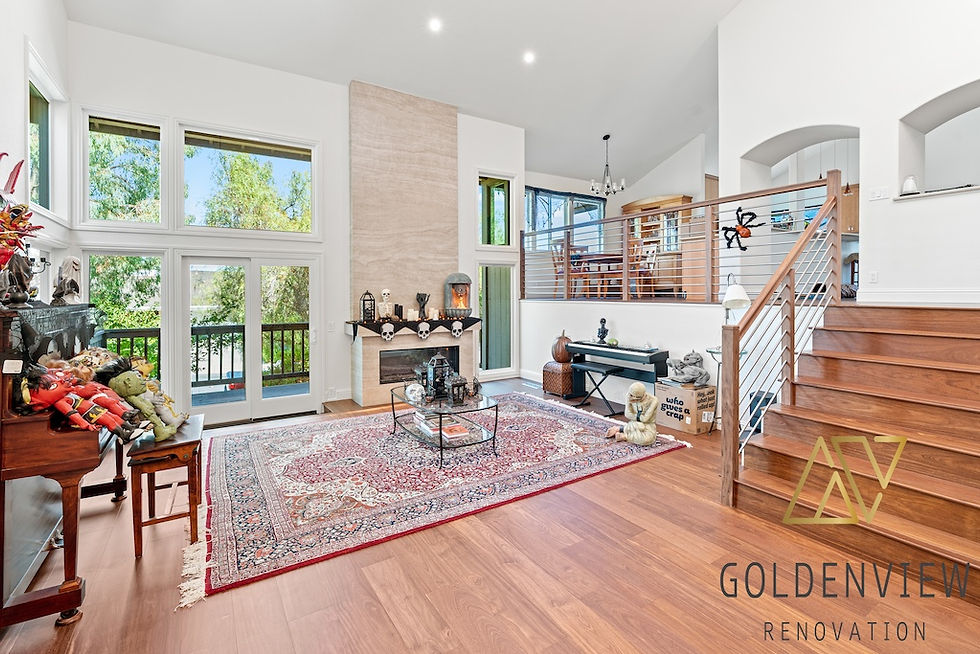

What Should Be Included in a Home Renovation Contract?
Picture this: you’ve finally decided to turn your current house into your dream home. From kitchen upgrades to room additions, the possibilities are exciting—but without the right home renovation contract, your remodeling project can unravel quickly. Making your home improvement vision a reality starts with understanding what belongs in a legally binding contract that keeps everyone on the same page and protects your investment from unexpected surprises.
Understanding the Importance of a Home Renovation Contract
Every successful home improvement project starts with a clear and comprehensive renovation contract. This critical document spells out expectations, responsibilities, and safeguards for both property owners and contractors. At its core, a home renovation contract ensures that the remodeling project proceeds smoothly, with clear project scope, agreed payment terms, and a well-defined project timeline. Without this contract, miscommunications can quickly lead to frustration, budget overruns, or unfinished work—risks no homeowner wants to face when investing in their property.
For homeowners in the San Francisco Bay Area, where local building regulations and permitting requirements can be complex, a proper improvement contract offers peace of mind and legal protection. With every detail captured in writing, both parties understand their rights and obligations, reducing the chances of disputes or misunderstandings. Taking the time to draft a comprehensive contract lays the foundation for a smoother home remodel and happier results for everyone involved.
Why Every Home Renovation Project Needs a Clear Contract
Imagine starting a remodeling project with only a handshake agreement. If problems arise—like delays, unexpected costs, or changes in materials—there’s no reference point to resolve disagreements. That’s why a detailed home renovation contract is indispensable: it ensures the property owner and remodeling contractor are aligned on all project scope specifics, milestone deadlines, and payment schedules. The contract serves as a roadmap, outlining who does what, when, and for how much. It’s not just a guideline, but a legally binding resource you can refer back to at each stage of the home improvement journey.
By clearly defining the terms and conditions, such as how and when to pay the contractor, what happens if there’s property damage, and what standards of quality to expect, the renovation contract instills trust. Homeowners also benefit from including terms about change order procedures, lien waivers, and warranty coverage. When both parties agree to these details before work begins, the potential for disputes shrinks, and the path for a successful home remodel is paved.
Common Pitfalls of Home Improvement Without a Contract
Skipping a proper improvement contract exposes all parties to confusion, delays, and financial loss. When contractors and homeowners rely on informal agreements, there’s no clear record of the project’s scope of work, payment terms, or warranty expectations. Disagreements can easily arise about the quality or completeness of the remodeling work, leading to stalled projects, legal battles, or even property damage that is difficult to recover from. A well-structured contract term minimizes risk and keeps the improvement project on track, reducing the likelihood of dealing with an unresponsive or unlicensed contractor, missing timelines, or surprise costs.
Protect your home, time, and investment by requiring a written, detailed contract on every home renovation or remodel project, no matter the size. This simple precaution is the best way to safeguard your interests and build a trusting partnership with your contractor.
When planning a renovation, especially if you're considering expanding your living space, it's important to ensure your contract covers the unique requirements of larger projects. For a closer look at how contracts apply to additions and accessory dwelling units, explore the detailed guidance on ADU and room addition projects and see how these specialized agreements can further protect your investment.
"A comprehensive home renovation contract sets the standard for trust and clarity between homeowners and contractors."
What You'll Learn About Home Renovation Contracts
The critical components of a home renovation contract
How to safeguard your home improvement investment
Ways to ensure your improvement contract aligns with Bay Area regulations
Expert tips from Golden View Renovation on remodeling contracts
Key Elements of a Home Renovation Contract
To ensure that your home remodel goes as planned, your contract should include several crucial elements. Each aspect protects both the property owner and the remodeling contractor, spells out expectations for the improvement project, and lays the groundwork for a successful outcome.
Identifying Parties and Project Details in Your Home Renovation Contract
The first step in any home renovation contract is to correctly identify all parties involved. Accuracy here minimizes confusion and provides clarity on who holds responsibility. Be sure to include the homeowner’s full name and address, as well as the remodeling contractor’s business details, such as legal business name, license number, and full contact information. List the actual project address if it differs from the homeowner’s mailing address. This clarity is especially crucial for larger home improvement projects or when a project manager and subcontractors are involved. Ensuring everyone knows exactly who is accountable keeps your renovation project organized and legally protected.
Homeowner’s full name and address
Remodeling contractor’s business details
Project address and contact information
Defining the Scope of Work and Project Scope
A detailed scope of work is at the heart of every reliable home improvement contract. This section spells out exactly what is and is not included in the remodeling project. Break down your project scope by listing every major task, from demolition to final finishes. Specify materials, brands, appliances, and even paint colors to ensure there’s no confusion over what’s expected. By describing deliverables and quality standards, both homeowner and contractor agree on the specifics and avoid disputes. Comprehensive documentation of the project scope is essential—especially in areas like the Bay Area, where strict building codes and permit requirements may apply.
Comprehensive outline of home remodeling and improvement project tasks
Materials, finishes, and appliances
Specific deliverables and quality standards
Specifying the Project Timeline and Milestones
A well-defined project timeline keeps everyone on schedule—and accountable. Your home renovation contract should clearly state the official start and anticipated completion dates. It should also specify key milestone deadlines, such as when foundation work must be finished or when cabinetry installation is due. If delays occur, inclusion of penalty clauses and clear remedies helps both property owner and contractor agree on solutions. These details turn your improvement project from a vague idea into an actionable plan, giving you peace of mind that your home remodel will finish on time and within expectations.
Start and completion dates
Milestone deadlines
Penalties for delays
Detailing the Payment Schedule and Terms
It’s essential to lay out the payment schedule and terms in any home renovation contract. This prevents confusion and promotes trust. Typically, the contract will specify deposit amounts, milestone payments, and the timing of the final payment once the project’s finished. The payment terms must also indicate the methods of payment accepted and any consequences for late payments. By documenting how and when you’ll pay the contractor, both parties know what to expect, making your remodeling contract a tool for smooth, dispute-free progress.
Deposits and payment installments
Payment terms
Final payment upon project completion
Including Change Order Procedures in the Renovation Contract
Whether you decide to upgrade a finish or need to adjust plans mid-project, change orders are a reality in most home renovations. Your contract should set out exactly how to handle these requests, including the process for documenting and approving any modifications to the original scope of work. This ensures all parties have a record of what was approved and who authorized it, preventing disagreement and confusion during your home remodel. Laying out a clear system for change orders supports transparency and keeps your improvement project on track financially and in terms of timeline.
Process for changes to project scope
Documentation and approvals required
Lien Waivers and Legal Protections
Lien waivers are key legal protections in every renovation contract, especially for property owners investing in a major home improvement. A lien waiver is a document from your contractor or subcontractors that waives their right to place a lien on your property after being paid. This protects you from potential claims if someone down the line alleges they weren’t compensated. Making lien waivers a requirement, released upon each payment or at project milestones, minimizes your legal risk and adds an extra layer of security to your home renovation investment.
What is a lien waiver?
Protecting homeowners from subcontractor or supplier claims
Project Completion: Punch List and Warranties
Before you celebrate your finished home remodel, ensure your contract describes how completion and quality are confirmed. This typically involves a final walkthrough with a punch list—a detailed record of small items needing correction. Once the punch list is completed to both parties’ satisfaction, the contract should outline the warranty period for the renovation work and its specific coverage. Strong warranties and a well-managed punch list show the contractor stands behind the work and provide extra confidence as you start enjoying your improved home.
Final walkthrough and punch list
Warranty terms for completed renovation work
Golden View Renovation’s Best Practices for a Home Improvement Contract
As experienced Bay Area general contractors, Golden View Renovation recommends going beyond basic requirements to ensure contracts are airtight and construction projects progress smoothly under California law. Our improvement contracts are tailored to each home renovation, addressing specific client needs, local regulations, and common issues we’ve seen in the field.
Adhering to Local Regulations in the San Francisco Bay Area
Remodeling contracts in the Bay Area must comply with local building, safety, and permitting regulations. Golden View Renovation ensures every agreement aligns with municipal codes and state law, especially on large improvement projects and home additions. Specifying adherence to required permits and inspections within the contract gives you peace of mind your remodel won’t hit legal snags or costly enforcement issues. This expert diligence helps projects in San Jose, San Francisco, and surrounding communities proceed smoothly, with minimal risk of delays or regulatory fines.
Clarity in Home Remodeling Communication
Communication is the backbone of every home improvement project. In every remodeling contract, Golden View Renovation details all communication expectations, including standard response times, channels for submitting questions or requests, and procedures for resolving disagreements. Clarity about how and when each party can expect updates reduces stress and keeps the home renovation running efficiently from demolition to final payment. These contract terms help anticipate and resolve problems before they impact your project’s timeline or budget.
Our goal is to make every improvement contract as clear and user-friendly as possible, so you always know where your project stands—and how to get answers quickly. With Golden View Renovation, you get transparent, responsive service that’s built into your agreement, top to bottom.
Transparent Payment Schedules and Billing
Unambiguous payment terms are central to client trust and successful home improvements. Our contracts provide detailed billing and payment schedules, with clear descriptions of each installment. This includes agreed deposit amounts, milestone payments tied to specific project milestones, and final payment procedures. By setting payment expectations up front, we eliminate the risk of miscommunication or confusion. Transparency on billing—backed by regular invoices and documentation—protects you as a homeowner and assures contractors get paid promptly for completed work.
"The best home improvement contracts anticipate questions before they become problems." – Golden View Renovation
Sample Home Renovation Contract Elements
Element | Description |
Homeowner Info | Name, Contact, Address |
Contractor Info | License, Contact, Address |
Project Scope | Full description of work |
Timeline | Dates, Key Milestones |
Payment Terms | Deposit, Schedule, Method |
Change Orders | How changes are handled |
Lien Waivers | Released upon payment |
Warranties | Duration, Coverage |
What should be included in a renovation contract?
Answer: A renovation contract should include the project scope, timeline, payment schedule, change order process, lien waiver clauses, parties’ information, and warranties, ensuring clarity and legal protection for both homeowners and contractors.
FAQs on Home Renovation Contracts
Can I modify my home renovation contract after work begins?
Yes, but modifications must be agreed to in writing by both parties. These modifications are often made through a formal change order process to ensure clear documentation of scope, cost, and timeline adjustments.
What happens if timeline milestones are missed?
Most contracts contain clauses outlining remedies for missed milestones—such as revised completion dates, penalties, or renegotiated terms—helping protect the interests of both the property owner and the contractor.
Is a lien waiver standard in every improvement contract?
While not always mandatory, lien waivers are strongly recommended for each payment milestone, protecting homeowners from later claims by subcontractors or suppliers.
How do warranties work for home remodel projects?
Most improvement contracts include warranties that specify the duration and coverage for work performed, giving homeowners recourse if problems arise post-completion.
Key Elements of a Home Renovation Contract
Dynamic explainer animation — friendly narrator voiceover and on-screen illustrated graphics, walking viewers through the key elements of a home renovation contract step-by-step, including parties, scope, timeline, payment, change orders, and legal protections, featuring smooth transitions, brand color accents, and high production quality, designed for clarity and viewer engagement.
Lists: Home Renovation Contract Checklist
Identify all project parties
Define the complete scope of work
Set the project timeline
Outline payment schedule and terms
Include clear change order procedures
Specify warranty and punch list details
Attach lien waiver documentation
Ensure compliance with local improvement project codes
Key Takeaways for Creating a Strong Home Renovation Contract
A detailed home renovation contract is essential for a successful home improvement project.
Include all aspects: scope, timeline, payment, legal clauses, and warranties.
Review your renovation contract with experienced professionals in your area.
Connect with a Bay Area Home Renovation Contract Law Expert
Contact one of our team Experts to get more information on how to expand your home in the smartest and best way possible.
As you move forward with your renovation plans, remember that a strong contract is just one part of a successful project. If you're considering expanding your home with an ADU or a room addition, understanding the specific contract requirements for these larger undertakings can make all the difference. For a deeper dive into the strategic planning and legal considerations unique to these projects, visit our comprehensive resource on ADU and room addition solutions. Discover how expert guidance can help you maximize your property’s potential while ensuring every detail is covered from start to finish.
Contact the team at Golden View Renovation
If you’re inspired by the possibilities of a garage conversion but want to explore even more ways to expand your home, Take the next step and see how a tailored approach to home expansion can truly transform your living experience.

Connect with one of our team experts to get more information on how to expand your home in the smartest and best way possible.
Golden View Renovation
Address: 1545 Berger Dr, San Jose, CA 95112
Email: Info@goldenviewrenovation.com
Phone: (408) 908-8281
License number: 1072628
✓ Licensed California Contractor
✓ Fully Insured
✓ Background-Checked Professionals
✓ Trusted by Bay Area Homeowners
✓ Experienced Bay Area remodeling team


How to Prepare Your Home for a Remodeling Project in San Jose
Modern remodel projects in San Jose are more complex—and expensive—than ever before. With the Bay Area’s stringent building codes and the city’s robust real estate market, homeowners must navigate more moving parts, tighter timelines....



Completely New to Home Improvement and DIY? Here's Exactly Where to Start in San Jose
Why Starting Small Is the Smartest Move for New DIYers You wouldn’t learn to cook by tackling Thanksgiving dinner, right? The same basic idea applies here. The biggest mistake we commonly see from first-time DIYers in San Jose is jumping into a full bathroom remodel or an extensive kitchen overhaul before they’ve ever really held a level in their hands.


Home Remodel Timeline: From Initial Design to Final Walkthrough
Ever wondered why some home renovation projects feel seamless while others drag for months? The secret could be in their home remodel timeline. Explore how mapping out your remodel from start to finish powers project success and delivers the full transformation you envision.


What is the Average Cost to Build and Accessory Dwelling Unit in the Bay Area?
Did you know? In California alone, permits for accessory dwelling units have increased by over 1,100% in the past decade. With urban housing needs constantly evolving and more families seeking flexible living solutions, the drive to build an accessory dwelling unit (ADU) has never been stronger....

Tired of Your Space? How Home Remodeling Transforms Lives
Did you know that over 58% of homeowners who invest in home remodeling say it has improved their sense of well-being and happiness at home? If you’re tired of your space—outdated kitchen, cramped living room, energy-hungry appliances—consider this: a home remodel doesn’t just make things look better; it can also transform the way you live.


Home Additions vs Moving: Which Makes More Financial Sense?
Are you rethinking your living space and wondering if expanding your home is smarter than starting over somewhere new? It’s a question many Bay Area homeowners face—should you invest in a home addition, or is it more sensible to move to a larger house?


Unlock the Secret of Types of Window Installations Today in San Jose
Did you know that selecting the right types of window installations can boost your home's energy efficiency by as much as 30%? Whether you’re renovating a classic bungalow, updating a modern townhouse, or preparing for a full remodel, understanding the various types of window installation is crucial for comfort, savings, and style.
Converting a Garage into a Living Space in San Jose: A Practical Guide
Garage conversion in San Jose has quickly become a leading trend in home remodeling, and it’s not hard to see why. With property values on the rise and the demand for flexible, functional living spaces at an all-time high....


When Should You Renovate Instead of Rebuild Your Bay Area Home?
Imagine standing on the sun-warmed steps of your Bay Area home, studying cracked paint and aging windows as your family dreams of more comfortable, modern living. In a city where home repair decisions shape not just your lifestyle but your long-term investment, choosing whether to renovate or rebuild your Bay Area home isn’t just about preference—it’s a pivotal financial and emotional choice...


How to Prepare Your Family for a Major Home Renovation
Imagine your kitchen echoing with laughter and sunlight as your family gathers around a table strewn with renovation plans—paint swatches, blueprints, and hopeful ideas. While the promise of a stunning home remodel is exciting, the reality of a home renovation can feel overwhelming.

The True Cost of Home Renovation in San Francisco Bay Area Revealed
Did you know that more than 60% of homeowners in the San Francisco Bay Area underestimate their renovation costs by over 30%? If you’ve ever wondered why your renovation budget spirals out of control, you’re not alone....

The Benefits of In-House Design and Construction Services
Imagine stepping into your dream home—one that reflects your unique personality, meets your family’s needs, and is tailored with precision down to every square foot. Now, imagine that journey made seamless, guided by a single team from the first sketch to move-in day. With in-house house design and construction services, your vision becomes reality more efficiently and with less stress than ever before.


Find the Best Contractor for Room Additions in San Jose
Did you know that homeowners in San Jose see an average return of 65% on major home addition projects? With the competitive Bay Area housing market, adding new spaces isn’t just about extra square footage—it’s about making a smart investment. Whether you envision a custom home office, a spacious family room, or a guest suite, the right contractor for room addition in San Jose can help you transform your living space and significantly boost your property’s value.


ADU – Accessory Dwelling Unit – Construction
San Jose’s zoning regulations have seen significant changes over the last few years. This shift is beneficial for homeowners. However, it also means much of the information found online is outdated, a point we frequently hear from homeowners. We want to share what truly matters for ADU projects right now.


Discover the Secret of San Jose Sustainable Modern House Design
Did you know that some San Jose homes adopting green building practices have reduced energy consumption by up to 40%? As sustainability takes center stage in the Bay Area, these modern homes are reshaping what it means to live well—and responsibly. If you're eager to reduce your carbon footprint and cut your energy bills, the secret to future-proof living might just be in the way these innovative homes are designed.
.jpg)
Smart Home Technology Integration for Bay Area Remodels
Did you know that nearly 60% of Bay Area homeowners now see smart home upgrades as essential in any new remodeling project? As technology swiftly reshapes the way we live, the demand for smart home remodels in the Bay Area is not just growing...

Unlock Stunning Home Renovation Ideas to Transform Your Space
Are you ready to reimagine your San Francisco Bay Area home with Inspiring home renovation ideas? Whether you wish to overhaul your living space or give it a simple, modern touch, the right renovation idea can make all the difference....

.jpg)
Energy-Efficient Renovation Upgrades That Lower Utility Bills
Imagine walking into your home on a hot summer afternoon, greeted by cool, refreshing air and bright natural sunlight streaming through efficient windows—knowing all the while that your monthly utility bills are lower than ever. This is the reality for homeowners who invest in energy-efficient renovation upgrades.

Eco-Friendly Kitchen Remodeling: Sustainable Design Options for Bay Area Homes
Did you know that kitchen remodels account for a significant percentage of landfill waste in the Bay Area each year? This eye-opening fact highlights why more Bay Area homeowners are turning to eco-friendly kitchen remodeling as a way to minimize environmental impact, boost home value, and create healthier spaces for their families...

.jpg)
Modernizing an Older Bay Area Home Without Losing Its Character
Ever wondered if it's possible to give your historic Bay Area home a fresh, modern feel—without erasing the charm and craftsmanship that make it unique? Welcome to the ultimate guide for homeowners determined to modernize their classic Bay Area homes while carefully preserving their soul.


Garage Conversions in San Jose: A Smart Way to Add Living Space
Ever wondered if your garage could be the key to unlocking more living space and greater property value, all without the hassle of a full-scale home remodel? In San Jose's bustling housing market, space is at a premium and smart upgrades matter


Plan a Stress Free Home Remodel in the San Francisco Bay Area.
Did you know that over 60% of Bay Area homeowners report delays or unexpected expenses in their home remodeling projects? Despite the region’s thriving architecture and design scene, navigating permits, budgets, and local contractors ....

Home Additions in San Jose Expand Your Space the Right Way
Many envision a home addition as simply adding square footage to a house. For us, a home addition involves much more. In San Jose, a renovation means carefully designing new living space. This new area integrates with your existing structure, foundation, roof, electrical panel, and plumbing lines. It touches nearly every system within your home.

How to Choose the Right General Contractor for Your Renovation Project
Imagine embarking on your dream home renovation: the perfect open-concept kitchen, a sun-soaked addition, or a fully refreshed bathroom. But one decision could make or break your experience—the general contractor you choose. With the right professional leading the way, your renovation becomes smooth, headache-free, and ultimately, a rewarding investment in your home’s future.


Should You Renovate Before Selling Your Home?
Imagine potential buyers stepping into your home and instantly picturing it as their own—modern, refreshed, and move-in ready. That impression can mean the difference between a quick, profitable sale or your listing lingering on the market.

How Structural Changes Affect Your Home Renovation Budget and Timeline
Imagine beginning a home remodel in San Jose, expecting a fresh coat of paint and new floors—only to find out you need to reinforce your home’s foundation or move load-bearing walls. These unforeseen structural changes aren’t just a headache; they can significantly impact your renovation budget and schedule.

General Contracting in San Jose Done Right — From First Plan to Final Walkthrough
Most people contact us when they have a renovation project involving multiple trades. You might want to open up your kitchen, add a bathroom, or convert your garage into an accessory dwelling unit (ADU). General contracting brings all these elements together, so you don’t need to manage each one separately.


Top Home Renovation Trends Bay Area Homeowners Are Choosing This Year
Imagine stepping into a sunlit Bay Area living room, fresh air mingling with the aroma of blooming jasmine from your backyard, all thanks to a recent home renovation. Across San Jose and the entire Bay Area, homeowners are transforming their living spaces to embrace sustainability, flexibility, and smart technology...


Bathroom Renovations in San Jose That Transform How You Start Your Day
You’ve recaulked the tub twice this year. The grout looks dingy no matter how hard you scrub. And that soft spot near the toilet isn’t getting better on its own. We see situations like this every week in San Jose homes....


How 3D Design Renderings Help Homeowners Avoid Costly Mistakes
Picture this: You’ve poured months of planning into your dream home renovation, only to realize—after work begins—that the dining room feels cramped or your windows don’t capture the right light. What if you could walk through your redesigned spaces, experiment with different layouts, and spot issues all before a single wall is touched?

Design-Build vs General Contractor: Which Is Right for Your Renovation?
Imagine coming home to a beautifully remodeled kitchen or bathroom, designed just for your Bay Area lifestyle. The transformation is seamless when you choose the right partner—yet with so many options ...
Seismic Retrofitting During a Bay Area Home Remodel
A Startling Look at Seismic Risks in the Bay Area. Living in the San Francisco Bay Area offers many advantages, but it also presents significant seismic risks. This region sits on some of North America’s most active fault lines, including the notorious San Andreas Fault....

Luxury Home Renovation Ideas for Bay Area Properties
Imagine unlocking the full potential of your Bay Area home—sunlight pouring through floor-to-ceiling windows, open-concept rooms designed for entertaining, and smart technology that adapts to your lifestyle. Whether you live in San Jose or San Francisco, a home renovation is your key to elevating comfort, value, and style.


ADU vs Home Addition: Which Option Is Best for Your Property?
Imagine standing in your own backyard, blueprint in hand, envisioning all the ways you could expand—maybe an accessory dwelling unit (ADU) for family or rental income, or a spacious home addition for a growing household. As Bay Area homeowners look to enhance property value or accommodate changing family needs ....


