
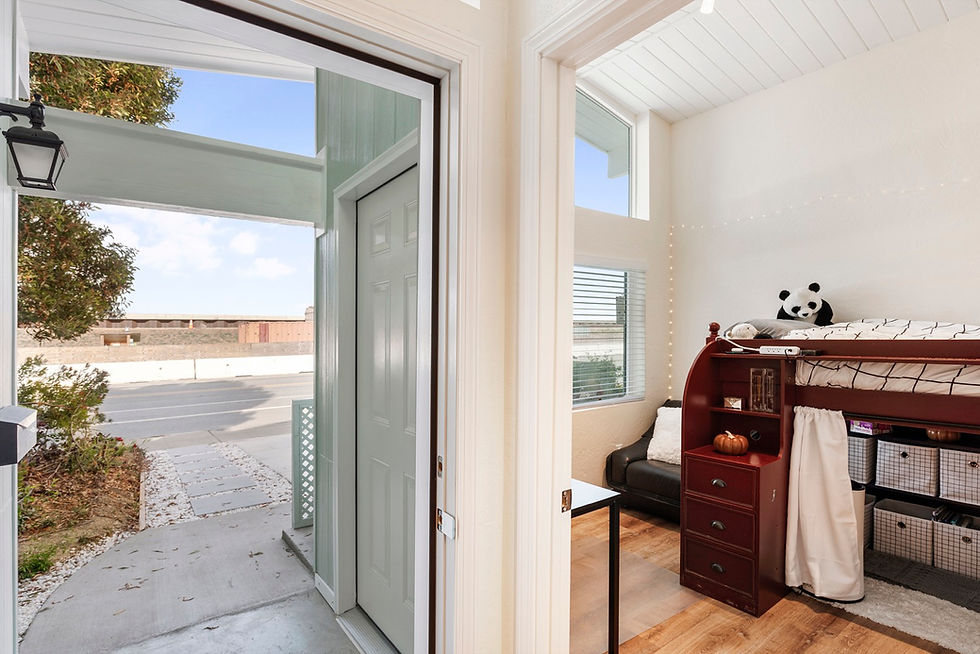

ADU (Accessory Dwelling Unit) Construction in San Jose: Add Space, Add Value
What’s Covered on This Page
What San Jose Homeowners Need to Know Before Building an ADU
Can I build an ADU if my lot is small or has an unusual shape?
What is the difference between a Junior ADU and a regular ADU?
Will my neighbor’s ADU approval mean my project gets approved the same way?
Is a garage conversion always the fastest way to add an ADU?
Need adu (accessory dwelling unit) construction? Phone (408) 908-8281
Call now for a free estimate. Call Golden View Renovation now.
What San Jose Homeowners Need to Know Before Building an ADU
San Jose’s zoning regulations have seen significant changes over the last few years. This shift is beneficial for homeowners. However, it also means much of the information found online is outdated, a point we frequently hear from homeowners.
We want to share what truly matters for ADU projects right now.
The city now allows ADUs on most single-family and multi-family lots. You won’t need a special use permit for these projects. There is no requirement to go before a planning commission. State law, guided by the California Department of Housing and Community Development, now limits local governments in how much they can restrict ADU construction. San Jose has adopted these guidelines. The approval process has become more straightforward than many people anticipate.
However, “straightforward” does not mean “simple.” There remain specific requirements you will need to meet before beginning construction. These include:
Setback rules. These vary depending on whether you are building a detached, attached, or converting a garage.
Height limits. These depend on your lot’s zoning designation.
Utility connection requirements, especially for sewer lateral capacity.
Fire sprinkler standards. These apply to units exceeding a certain size.
Homeowners in the Willow Glen area often encounter unexpected setback challenges. Older lots there frequently have unusual shapes. This characteristic changes what is buildable on the property. In contrast, near Berryessa, delays commonly arise from sewer lateral capacity issues. Each San Jose neighborhood presents its own unique considerations for ADU construction.
One important point we share with everyone is to avoid assuming your neighbor’s ADU project guidelines apply directly to yours. Two houses on the same street can have different zoning overlays. They might have varying lot depths. They could also have different easements running through the backyard. We have walked properties that appeared identical from the curb, but revealed completely different build envelopes once we reviewed the parcel maps.

So, what should your first step be? We recommend getting a site assessment from someone who regularly constructs ADUs in San Jose. A general contractor guessing from a satellite image is not enough. You need a team that has worked with the city’s planning counter many times. They will know what specific issues reviewers typically flag. Taking this early step saves weeks of back-and-forth later in the process. We have seen it cut the permit timeline by nearly half for some of our renovation projects.
Choosing the Right ADU Type for Your Property
The choice of ADU type is a foundational decision that influences every other aspect of the project. When chosen correctly, the entire renovation process flows smoothly. If the wrong type is selected, you could spend resources resolving issues that were avoidable.
Many homeowners in San Jose are unaware of their range of options. They often envision a small house in the backyard. While this is one type, it is not the only one available. It may not be the ideal fit for your specific lot. Our team reviews the following options with every homeowner before any designs are drafted:
Detached ADU: This is a standalone structure built in your yard. It works well if you have sufficient space and desire complete separation between your main home and the new unit.
Attached ADU: This type is built onto your existing house, sharing at least one wall. It is often a practical solution for tighter lots in areas like Willow Glen, where setback requirements can reduce available yard space.
Garage conversion: This involves transforming an existing garage into a livable unit. This approach is frequently the fastest path to completion, as the primary structure already exists.
Junior ADU (JADU): A JADU is a smaller unit, typically under 500 square feet, carved out of your main home’s footprint. California law actually permits the construction of both a JADU and a full ADU on the same property.
Garage conversions are a popular choice. Homeowners frequently select this option to manage construction costs and expedite the project timeline. However, a garage conversion is not always the most sensible choice. Some garages are situated too low, others have underlying foundation issues, and some are simply not ideally located on the lot.
Are you uncertain which ADU type suits your situation ? This is a common question. The answer depends on several factors: your lot size, soil conditions, setback requirements, and the intended use for the unit. A rental unit designed for additional income will require a different layout than a living space for aging parents.
Our team begins by thoroughly evaluating your property. We carefully measure setbacks, verify utility access points, and review San Jose’s specific zoning regulations for your parcel. Every lot in the Bay Area is unique. For example, a property near Almaden Valley may have different soil conditions compared to one closer to downtown. These specific details impact what is feasible and what is a smart investment. We prefer to provide clear, honest information about your options upfront rather than let you commit to a plan that proves unworkable.
The ADU Permitting and Design Process Step by Step
This is the aspect of ADU construction that homeowners ask us about the most. Clients want to build an ADU but often feel unsure about how to begin with the city. This concern is understandable. San Jose operates with its own specific rules, timelines, and procedures for such projects.
The permitting and design process, while not frightening, does involve many intricate components. Our team guides every client through this process in a consistent manner.
Site evaluation. We visit your property to meticulously check setbacks, lot coverage, utility access, and any existing easements. Some lots, especially those near Willow Glen, may have older sewer lines that need attention before any other work proceeds.
Preliminary design. Using your goals and the site assessment, we draft a floor plan. This plan shows the layout, the footprint, and how the ADU will be situated on your lot. During this stage, we determine whether a detached unit, a garage conversion, or an attached addition is the most suitable option for your property.
City pre-review. We submit a preliminary plan to the San Jose Planning Division. This step helps identify any potential zoning issues early on, preventing surprises later. In most cases, this pre-review phase saves valuable weeks in the overall timeline.
Construction documents. Our team then prepares architectural and structural drawings. These documents include Title 24 energy calculations, a standard requirement from California for every new dwelling.
Permit submittal and corrections. We file all necessary documents with the city. The plan check process in San Jose can take several weeks, and sometimes even longer. If corrections are required, we address them quickly.
Permit approval. Once the city provides its approval, you will have your building permit, and we are ready to begin construction.
The entire process, from the initial site visit to the final permit approval, typically ranges from two to four months. This timeline depends on the project’s scope and the current workload of the planning department.
Mistakes during this phase can lead to significant delays. For example, an incorrect setback calculation or a missing soil report could push your project timeline back by months. We have seen homeowners near Almaden who attempted to manage permits themselves, only to restart the process after multiple rejections.

You don’t need to become an expert in permitting. That is our role. We manage all communication and coordination with the city so you can focus on the enjoyable aspects, such as selecting finishes and envisioning how you will use your new space.
Would you like assistance getting started with your ADU construction? Please give us a call, and we will arrange a site visit.
Need help with adu (accessory dwelling unit) construction? Phone (408) 908-8281
Call now for a free estimate. Golden View Renovation is ready to help.
What Happens During ADU Construction on Your Property
This is the phase of the renovation process that often causes the most concern for homeowners. that you will be living in your primary residence while we are building a new structure on your property. We are very familiar with this situation. Here is an overview of how the construction typically proceeds.
Once all permits are approved, we begin ground preparation. The first visible activity is our site prep crew marking utility lines and carefully grading the area. In neighborhoods like Willow Glen, property lots can have irregular slopes, so we address this early in the process. Following this, the foundation is poured. This day usually involves the most noise. After the foundation, construction progresses rapidly.
Here is the typical sequence of events once our team is on site for ADU construction:
Foundation and slab work, including the rough-ins for plumbing and electrical utilities.
Framing begins. This is when your ADU starts to take its defined shape. This stage typically takes about a week to complete.
Installation of roofing, windows, and exterior sheathing to the structure is weatherproof.
Rough mechanical work. Plumbing, electrical wiring, and HVAC systems are installed throughout the walls before insulation is added.
City inspections occur at each significant stage. San Jose requires multiple official sign-offs before we can move on to the next phase of construction.
Interior finishes. This includes installing drywall, flooring, cabinets, applying paint, and fitting fixtures.
The final inspection and securing the certificate of occupancy.
We observe this process unfold every week. Homeowners often anticipate chaos, but a well-managed job site does not feel chaotic. We maintain organized materials, dumpsters are managed, and keep your driveway clear whenever possible.
An important consideration that homeowners sometimes overlook is the connection of your existing home’s utilities to the new unit. This process means there might be a brief interruption to your water or power for a day or two. We always provide advance notice before any such interruptions occur.
Most ADU construction projects in San Jose generally take about four to six months from the start of ground preparation to move-in readiness. The exact duration depends on the size and complexity of the project. For instance, a detached two-bedroom unit usually requires more time than a garage conversion. Weather delays can also occur, particularly during San Jose’s rainy winter months.
We strongly advise clients to maintain open communication with their construction crew. We assign a dedicated project manager to every ADU build. This individual is your primary point of contact. This single point of contact, who understands every detail of your project, can reduce stress. We have seen this positive impact on hundreds of our clients.
Final Inspections and Getting Your ADU Ready to Use
You are now very close to completion. The framing is finished, the plumbing is functional, and the drywall looks excellent. However, your ADU is not truly finished until San Jose’s building department officially signs off on every detail of the construction.
Final inspections are. The city inspector will examine the structural work, electrical systems, plumbing connections, fire safety measures, and energy compliance. These checks may occur during a single visit or across a few separate appointments. Some projects proceed smoothly on the first attempt. Others encounter minor issues that can delay final approval for weeks. These might include a missing smoke detector label or a water heater strap placed slightly too low. Most discrepancies are minor, but even small issues mean the unit cannot be legally occupied.
We follow a thorough process to help your final inspection proceeds without issues:
We conduct our own internal walkthrough before scheduling any appointments with the city. Our team verifies every item on the permit checklist.
We confirm that all mechanical systems are tested and fully operational, from the HVAC system to the water heater, and every electrical outlet and switch.
We meticulously double-check all Title 24 energy compliance elements, including insulation ratings, window specifications, and lighting installations.
We schedule the city inspection and meet the inspector on-site. This ensures any questions they have are answered immediately.
If any corrections are identified, we address them within the same week and promptly rebook the inspection.
Once the inspector grants approval, the city issues your Certificate of Occupancy. This document legally certifies your ADU as ready for habitation. Without it, you cannot rent the unit or allow family members to move in.
After receiving the Certificate of Occupancy, the focus shifts to the final touches that transform the space into a comfortable home. We manage the final cleaning, perform any necessary touch-up painting, and conduct a full walkthrough with you. During this walkthrough, we you understand how every system operates. We point out the locations of shut-off valves and demonstrate how to use the mini-split thermostat. These small details are important for your first day in the new space.
Homeowners in areas like Willow Glen and throughout San Jose frequently tell us that the most gratifying moment is when they walk through a completed ADU and recognize that it is truly finished. Not “almost done,” but completely done. As a licensed general contractor, we that we do not hand you the keys until we would be proud to live in the space ourselves.
Frequently Asked Questions
Common questions about adu (accessory dwelling unit) construction services in San Jose
Do I need a special permit to build an ADU in San Jose?
No, San Jose no longer requires a special use permit or planning commission approval for most ADUs. State law has limited how much the city can restrict ADU construction. You still need a standard building permit, and your project must meet setback, height, and utility requirements. Getting a site assessment early helps you understand exactly what applies to your specific parcel before you spend money on plans.
How long does the ADU permitting process take in San Jose?
Most ADU permits in San Jose take several months from application to approval, depending on your project type and how complete your submittal is. Garage conversions tend to move faster because the structure already exists. Detached ADUs take longer due to more complex plan review. Working with someone who knows San Jose’s planning counter well can cut your timeline significantly — sometimes by nearly half.
Can I build an ADU if my lot is small or has an unusual shape?
Yes, but your options may be more limited than a neighbor with a standard rectangular lot. Homeowners in Willow Glen often face this exact situation. Older lots there have unusual shapes that change what can actually be built. An attached ADU or garage conversion is often the best fit for tighter lots. A proper site assessment — not a satellite image review — tells you what your actual build envelope looks like.
What is the difference between a Junior ADU and a regular ADU?
A Junior ADU, or JADU, is a smaller unit under 500 square feet carved out of your existing home’s footprint. A regular ADU is a full separate unit, either attached or detached. California law allows you to build both a JADU and a full ADU on the same property. If you want to maximize rental income or house a family member while keeping costs down, combining both types can be a smart move.
Will my neighbor’s ADU approval mean my project gets approved the same way?
Not necessarily — and this is one of the most common mistakes San Jose homeowners make. Two houses on the same street can have different zoning overlays, lot depths, and easements running through the backyard. What worked for your neighbor may not apply to your parcel at all. Always get your specific property reviewed before assuming anything. We have walked properties that looked identical from the curb but had completely different build options once we pulled the parcel maps.
Is a garage conversion always the fastest way to add an ADU?
Garage conversions are often the fastest path because the main structure already exists. But they are not always the right choice. Some garages sit too low, have foundation problems, or are not positioned well on the lot. Near areas like Berryessa, sewer lateral capacity can also slow things down regardless of ADU type. We always evaluate your garage’s condition and location before recommending it as your best option.

Connect with one of our team experts to get more information on how to expand your home in the smartest and best way possible.
Golden View Renovation
Address: 1545 Berger Dr, San Jose, CA 95112
Email: Info@goldenviewrenovation.com
Phone: (408) 908-8281
License number: 1072628


How to Prepare Your Home for a Remodeling Project in San Jose
Modern remodel projects in San Jose are more complex—and expensive—than ever before. With the Bay Area’s stringent building codes and the city’s robust real estate market, homeowners must navigate more moving parts, tighter timelines....


Completely New to Home Improvement and DIY? Here's Exactly Where to Start in San Jose
Why Starting Small Is the Smartest Move for New DIYers You wouldn’t learn to cook by tackling Thanksgiving dinner, right? The same basic idea applies here. The biggest mistake we commonly see from first-time DIYers in San Jose is jumping into a full bathroom remodel or an extensive kitchen overhaul before they’ve ever really held a level in their hands.


Home Remodel Timeline: From Initial Design to Final Walkthrough
Ever wondered why some home renovation projects feel seamless while others drag for months? The secret could be in their home remodel timeline. Explore how mapping out your remodel from start to finish powers project success and delivers the full transformation you envision.


What is the Average Cost to Build and Accessory Dwelling Unit in the Bay Area?
Did you know? In California alone, permits for accessory dwelling units have increased by over 1,100% in the past decade. With urban housing needs constantly evolving and more families seeking flexible living solutions, the drive to build an accessory dwelling unit (ADU) has never been stronger....

Tired of Your Space? How Home Remodeling Transforms Lives
Did you know that over 58% of homeowners who invest in home remodeling say it has improved their sense of well-being and happiness at home? If you’re tired of your space—outdated kitchen, cramped living room, energy-hungry appliances—consider this: a home remodel doesn’t just make things look better; it can also transform the way you live.


Home Additions vs Moving: Which Makes More Financial Sense?
Are you rethinking your living space and wondering if expanding your home is smarter than starting over somewhere new? It’s a question many Bay Area homeowners face—should you invest in a home addition, or is it more sensible to move to a larger house?

Unlock the Secret of Types of Window Installations Today in San Jose
Did you know that selecting the right types of window installations can boost your home's energy efficiency by as much as 30%? Whether you’re renovating a classic bungalow, updating a modern townhouse, or preparing for a full remodel, understanding the various types of window installation is crucial for comfort, savings, and style.
Converting a Garage into a Living Space in San Jose: A Practical Guide
Garage conversion in San Jose has quickly become a leading trend in home remodeling, and it’s not hard to see why. With property values on the rise and the demand for flexible, functional living spaces at an all-time high....


When Should You Renovate Instead of Rebuild Your Bay Area Home?
Imagine standing on the sun-warmed steps of your Bay Area home, studying cracked paint and aging windows as your family dreams of more comfortable, modern living. In a city where home repair decisions shape not just your lifestyle but your long-term investment, choosing whether to renovate or rebuild your Bay Area home isn’t just about preference—it’s a pivotal financial and emotional choice...


How to Prepare Your Family for a Major Home Renovation
Imagine your kitchen echoing with laughter and sunlight as your family gathers around a table strewn with renovation plans—paint swatches, blueprints, and hopeful ideas. While the promise of a stunning home remodel is exciting, the reality of a home renovation can feel overwhelming.


The True Cost of Home Renovation in San Francisco Bay Area Revealed
Did you know that more than 60% of homeowners in the San Francisco Bay Area underestimate their renovation costs by over 30%? If you’ve ever wondered why your renovation budget spirals out of control, you’re not alone....
What Should Be Included in a Home Renovation Contract?
Picture this: you’ve finally decided to turn your current house into your dream home. From kitchen upgrades to room additions, the possibilities are exciting—but without the right home renovation contract, your remodeling project can unravel quickly.

The Benefits of In-House Design and Construction Services
Imagine stepping into your dream home—one that reflects your unique personality, meets your family’s needs, and is tailored with precision down to every square foot. Now, imagine that journey made seamless, guided by a single team from the first sketch to move-in day. With in-house house design and construction services, your vision becomes reality more efficiently and with less stress than ever before.


Find the Best Contractor for Room Additions in San Jose
Did you know that homeowners in San Jose see an average return of 65% on major home addition projects? With the competitive Bay Area housing market, adding new spaces isn’t just about extra square footage—it’s about making a smart investment. Whether you envision a custom home office, a spacious family room, or a guest suite, the right contractor for room addition in San Jose can help you transform your living space and significantly boost your property’s value.


Discover the Secret of San Jose Sustainable Modern House Design
Did you know that some San Jose homes adopting green building practices have reduced energy consumption by up to 40%? As sustainability takes center stage in the Bay Area, these modern homes are reshaping what it means to live well—and responsibly. If you're eager to reduce your carbon footprint and cut your energy bills, the secret to future-proof living might just be in the way these innovative homes are designed.
.jpg)
Smart Home Technology Integration for Bay Area Remodels
Did you know that nearly 60% of Bay Area homeowners now see smart home upgrades as essential in any new remodeling project? As technology swiftly reshapes the way we live, the demand for smart home remodels in the Bay Area is not just growing...

Unlock Stunning Home Renovation Ideas to Transform Your Space
Are you ready to reimagine your San Francisco Bay Area home with Inspiring home renovation ideas? Whether you wish to overhaul your living space or give it a simple, modern touch, the right renovation idea can make all the difference....

.jpg)
Energy-Efficient Renovation Upgrades That Lower Utility Bills
Imagine walking into your home on a hot summer afternoon, greeted by cool, refreshing air and bright natural sunlight streaming through efficient windows—knowing all the while that your monthly utility bills are lower than ever. This is the reality for homeowners who invest in energy-efficient renovation upgrades.

Eco-Friendly Kitchen Remodeling: Sustainable Design Options for Bay Area Homes
Did you know that kitchen remodels account for a significant percentage of landfill waste in the Bay Area each year? This eye-opening fact highlights why more Bay Area homeowners are turning to eco-friendly kitchen remodeling as a way to minimize environmental impact, boost home value, and create healthier spaces for their families...

.jpg)
Modernizing an Older Bay Area Home Without Losing Its Character
Ever wondered if it's possible to give your historic Bay Area home a fresh, modern feel—without erasing the charm and craftsmanship that make it unique? Welcome to the ultimate guide for homeowners determined to modernize their classic Bay Area homes while carefully preserving their soul.


Garage Conversions in San Jose: A Smart Way to Add Living Space
Ever wondered if your garage could be the key to unlocking more living space and greater property value, all without the hassle of a full-scale home remodel? In San Jose's bustling housing market, space is at a premium and smart upgrades matter


Plan a Stress Free Home Remodel in the San Francisco Bay Area.
Did you know that over 60% of Bay Area homeowners report delays or unexpected expenses in their home remodeling projects? Despite the region’s thriving architecture and design scene, navigating permits, budgets, and local contractors ....

Home Additions in San Jose Expand Your Space the Right Way
Many envision a home addition as simply adding square footage to a house. For us, a home addition involves much more. In San Jose, a renovation means carefully designing new living space. This new area integrates with your existing structure, foundation, roof, electrical panel, and plumbing lines. It touches nearly every system within your home.

How to Choose the Right General Contractor for Your Renovation Project
Imagine embarking on your dream home renovation: the perfect open-concept kitchen, a sun-soaked addition, or a fully refreshed bathroom. But one decision could make or break your experience—the general contractor you choose. With the right professional leading the way, your renovation becomes smooth, headache-free, and ultimately, a rewarding investment in your home’s future.


Should You Renovate Before Selling Your Home?
Imagine potential buyers stepping into your home and instantly picturing it as their own—modern, refreshed, and move-in ready. That impression can mean the difference between a quick, profitable sale or your listing lingering on the market.

How Structural Changes Affect Your Home Renovation Budget and Timeline
Imagine beginning a home remodel in San Jose, expecting a fresh coat of paint and new floors—only to find out you need to reinforce your home’s foundation or move load-bearing walls. These unforeseen structural changes aren’t just a headache; they can significantly impact your renovation budget and schedule.

General Contracting in San Jose Done Right — From First Plan to Final Walkthrough
Most people contact us when they have a renovation project involving multiple trades. You might want to open up your kitchen, add a bathroom, or convert your garage into an accessory dwelling unit (ADU). General contracting brings all these elements together, so you don’t need to manage each one separately.


Top Home Renovation Trends Bay Area Homeowners Are Choosing This Year
Imagine stepping into a sunlit Bay Area living room, fresh air mingling with the aroma of blooming jasmine from your backyard, all thanks to a recent home renovation. Across San Jose and the entire Bay Area, homeowners are transforming their living spaces to embrace sustainability, flexibility, and smart technology...


Bathroom Renovations in San Jose That Transform How You Start Your Day
You’ve recaulked the tub twice this year. The grout looks dingy no matter how hard you scrub. And that soft spot near the toilet isn’t getting better on its own. We see situations like this every week in San Jose homes....


How 3D Design Renderings Help Homeowners Avoid Costly Mistakes
Picture this: You’ve poured months of planning into your dream home renovation, only to realize—after work begins—that the dining room feels cramped or your windows don’t capture the right light. What if you could walk through your redesigned spaces, experiment with different layouts, and spot issues all before a single wall is touched?

Design-Build vs General Contractor: Which Is Right for Your Renovation?
Imagine coming home to a beautifully remodeled kitchen or bathroom, designed just for your Bay Area lifestyle. The transformation is seamless when you choose the right partner—yet with so many options ...
Seismic Retrofitting During a Bay Area Home Remodel
A Startling Look at Seismic Risks in the Bay Area. Living in the San Francisco Bay Area offers many advantages, but it also presents significant seismic risks. This region sits on some of North America’s most active fault lines, including the notorious San Andreas Fault....
Luxury Home Renovation Ideas for Bay Area Properties
Imagine unlocking the full potential of your Bay Area home—sunlight pouring through floor-to-ceiling windows, open-concept rooms designed for entertaining, and smart technology that adapts to your lifestyle. Whether you live in San Jose or San Francisco, a home renovation is your key to elevating comfort, value, and style.


ADU vs Home Addition: Which Option Is Best for Your Property?
Imagine standing in your own backyard, blueprint in hand, envisioning all the ways you could expand—maybe an accessory dwelling unit (ADU) for family or rental income, or a spacious home addition for a growing household. As Bay Area homeowners look to enhance property value or accommodate changing family needs ....


