


Completely New to Home Improvement and DIY? Here’s Exactly Where to Start in San Jose
What’s Covered on This Page
The Essential Tools Every Beginner Should Own Before Starting
What is the easiest first home improvement project for a complete beginner?
How does living in San Jose affect what DIY projects I can do on my own?
When should a San Jose homeowner call a professional instead of doing it themselves?
Is it true that watching YouTube videos is enough to learn DIY home repair?
How do I know if I’m ready to move from small projects to bigger home renovations?
What tools do I actually need to start DIY home improvement as a beginner?
Need completely new to home improvement and diy? here’s exactly where to start?
Phone (408) 908-8281
Call now for a free estimate. Call Golden View Renovation now.
Why Starting Small Is the Smartest Move for New DIYers
You wouldn’t learn to cook by tackling Thanksgiving dinner, right? The same basic idea applies here. The biggest mistake we commonly see from first-time DIYers in San Jose is jumping into a full bathroom remodel or an extensive kitchen overhaul before they’ve ever really held a level in their hands.
That’s not about ambition. It’s just reality, and understanding this means you avoid real frustration later, which is something we often help clients overcome when they start too big.
Small projects teach you how tools truly work. You’ll quickly understand what your house is actually built with underneath all the finishes. They build a certain kind of confidence that won’t just disappear the moment something unexpected happens. And trust us, something always goes sideways eventually.
What Counts as a Small Project?
Think even smaller than you might initially imagine. We’re talking about tasks that typically take an afternoon or even less time to complete. These are the precise kinds of things where a mistake might set you back ten dollars, not ten thousand, making them perfect for learning and building fundamental skills.
Swapping out old cabinet hardware in your kitchen or bathroom
Putting in a new showerhead or simply changing a faucet aerator
Patching small nail holes in drywall and carefully touching up paint
Caulking those little gaps around windows, tubs, or baseboards
Replacing a basic light switch or just an outlet cover plate
None of these sound particularly exciting. That’s actually the whole point of starting here. They’re low-risk projects, quite forgiving by nature, and they give you a valuable chance to practice reading instructions and using basic tools without a lot of real, high-stakes pressure. We had a homeowner from Willow Glen come to us last year after she’d tried to re-tile her entryway as a first project, but she’d never even used a tile saw before. The grout lines were uneven, the cuts were rough, she was frustrated and out several hundred dollars in materials. We helped her finish the job right, and she just kept telling us she wished she’d started with something simpler, much simpler.
We hear that exact story often.
The Real Skill You’re Building
Here’s the thing most people don’t quite grasp early on. Small projects aren’t just about the project itself when you’re starting out. They’re really about learning how to problem-solve effectively inside your own home, understanding its unique characteristics. Every house in San Jose has its own little quirks, its own specific history.

Older homes near Japantown, for instance, often have plaster walls, not standard drywall. Newer builds in Evergreen could have different stud spacing than you’d expect. You just won’t know what you’re dealing with until you actually start looking around and getting hands-on.
A simple task, like patching a small hole, teaches you exactly how your walls are put together, their specific construction methods. Changing a faucet aerator shows you the basics of your plumbing connections and how they function. Caulking a window reveals if there’s a sneaky draft issue or even hidden moisture damage lurking underneath. Each small job gives you specific details and information about your home that you can’t get any other way, believe us.
That knowledge piles up quickly.
So, when you eventually want to tackle a bigger renovation, a real construction project, you’re not starting from scratch, from zero experience. You already know where your main water shutoff valve is. You know what your walls feel like when you drill into them. You can easily tell the difference between a Phillips head and a Robertson screw. These seem like tiny details, almost insignificant, but they’re actually the fundamental foundation of every successful home improvement project, big or small.
How Small Wins Build Real Momentum
There’s a definite psychological aspect to this too, a powerful cycle. The Harvard Business Review actually published research showing how small wins create a positive progress loop that really fuels motivation for much bigger tasks. That applies directly to home improvement. Finishing a small project gives you a clear, visible result you can truly appreciate. You’ll see that new hardware on your cabinets every morning. You’ll feel the smoother caulk line when you run your hand along the tub.
Those small moments truly matter. They make your home feel more like yours, a space you’ve personally impacted.
And they give you the push to try the next thing, to explore new possibilities. Maybe you move from patching drywall to painting an entire room. Then from painting a room to putting up some floating shelves. Then from shelves to building a simple closet organizer. Each step is a little tougher than the last one, but you’ve got those previous successes and new skills behind you, building your confidence.
But here’s a truth most guides won’t openly share. There’s a very clear, important line between projects you should learn to do yourself and projects you absolutely need to hand off to a professional team. Electrical panel work, any structural changes to your home, plumbing that runs behind walls, anything that involves permits in Santa Clara County, those aren’t beginner territory. They aren’t even intermediate territory. Knowing precisely where that line sits is one of the most important skills you’ll ever develop as a homeowner.
If you’re curious about which projects make sense for you to attempt and which ones truly call for professional help, our home renovation team can walk you through it. No pressure from us, just honest guidance based on what we’ve seen work in San Jose homes for years. The specific local code requirements; for example, the City of San José is particularly strict about permits for anything over 500 sq. ft. or any structural changes, so knowing when to call us early saves a lot of headaches later on in the renovation process.
Start with something you can complete in a Saturday afternoon. Get your hands dirty. Make a small mess. Clean it up. Then do it again next weekend with something slightly harder. That’s how every confident homeowner begins their journey.

The Essential Tools Every Beginner Should Own Before Starting
You truly don’t need a garage packed full of equipment, trust us on this. Most home improvement projects, especially here in San Jose homes, call for the same core, basic set of tools. Get these particular tools right, and you can comfortably handle almost 80 percent of beginner tasks without running back to the hardware store even once.
We see this mistake all the time with new DIYers. Someone buys a big, intimidating 200-piece tool kit from a massive box store, then half of it breaks within a month or two. The other half just sits there, collecting dust. A focused collection of quality basics will serve you much, much better than a mountain of flimsy gadgets and tools you’ll never really use.
Hand Tools That Do the Heavy Lifting
Start right here. These are the dependable tools you’ll grab for almost every project you attempt, from hanging new shelves to simply tightening a loose cabinet hinge:
A 16-ounce claw hammer. Not too heavy, not too light. It’s truly perfect for driving nails and pulling them out, a versatile choice for any home renovation enthusiast.
A 25-foot tape measure. You will measure everything, and we mean absolutely everything. Doorways, walls, furniture gaps. Get one that has a locking blade, it helps keep your measurements accurate and consistent.
A set of Phillips and flathead screwdrivers. Or you can just pick up a multi-bit driver that conveniently covers both types of screws easily.
An adjustable wrench. One 10-inch wrench can capably handle most of the bolt sizes you’ll encounter around any house, saving you from needing multiple specialized wrenches.
A utility knife. You’ll use this for so much more than you think. Opening packages, scoring drywall, trimming caulk tubes, and a dozen other things you haven’t even thought of yet will become easier with this handy tool.
That short list truly covers more ground than you might initially expect. We once had a homeowner in Willow Glen call us because she couldn’t figure out how to fix her wobbly towel bar, but all she really needed was a Phillips screwdriver and five minutes to tighten it up properly. She didn’t have one readily available.
Don’t let that happen to you, be prepared.
Power Tools Worth the Investment
You only need two power tools to get going, and a cordless drill/driver is easily the most useful power tool you will ever own, driving screws, drilling pilot holes, and assembling furniture efficiently. A jigsaw comes in second; it cuts curves and straight lines in wood, plastic, and even thin metal sheets with precision.
But here’s what many people miss, the drill bits and driver bits are just as important as the drill itself, if not more so. Buy a good bit set with all the common sizes. You’ll go through bits fast, especially if you’re dealing with older hardwood trim often found in many Cambrian Park and Rose Garden bungalows, we see this all the time with customers.
As you get more comfortable with basic repairs, you may also start thinking about upgrades that save energy over time. The energy saving home improvements guide from ENERGY STAR is a helpful resource for understanding which upgrades — like sealing air leaks or adding insulation — deliver real savings in a San Jose home.
Skip the circular saw for now. Forget the router. Pass on the oscillating tool. Those are fantastic tools later on for more complex projects, but they aren’t necessary on day one for a beginner, and your wallet will definitely thank you for the restraint.
Safety Gear You Can’t Skip
This part isn’t glamorous. It is still non-negotiable, a fundamental requirement. Every home improvement project, even the simplest ones you can imagine, carries some real risk, and you absolutely need to be prepared before you start anything at all.
Safety glasses. Wear them every single time you cut, drill, or hammer. A tiny wood chip to the eye can happen in a split second, causing serious injury.
Work gloves. Leather or synthetic palm gloves will protect your hands from splinters, sharp edges, and rough surfaces you’ll definitely encounter during your projects.
A dust mask or N95 respirator. San Jose homes built before 1978 may contain lead paint. According to the EPA, disturbing lead paint without proper protection creates serious health hazards for everyone involved, including your family. Wear a mask whenever you sand or demolish anything in an older home, it’s just smart and responsible.
Hearing protection. Foam earplugs cost almost nothing at all to buy. Use them consistently with any power tool you pick up to protect your ears from loud noises.
We’ve worked on hundreds of construction projects across San Jose, from remodeling kitchens to building ADUs. The homeowners who consistently stay safe are the ones who made safety gear a habit from their very first project, not an afterthought after something already went wrong. It’s a fundamental part of the renovation process and a sign of a truly smart homeowner.
The Small Stuff That Makes a Big Difference
A few inexpensive extras really complete your starter kit effectively. A torpedo level keeps your shelves straight and even. Painter’s tape gives you clean, sharp lines and protects surrounding surfaces from stray paint. A stud finder helps you anchor heavy items firmly to wall framing instead of just relying on flimsy drywall, which can fail.
And a simple pencil. Seriously. Marking your measurements directly on the material saves significant time, it also prevents those costly cutting errors, and small details like this make a real, noticeable impact on your project’s success.
One more thing people often overlook: a good headlamp or a bright work light. Crawl spaces under San Jose ranch-style homes are dark, really dark, as are the insides of many cabinets. You simply can’t fix what you can’t properly see when you’re down there trying to work.
So what’s the real takeaway here? You don’t need absolutely everything at once. Buy quality basics, learn how to use them well, and only add more tools when a specific project genuinely demands them. If you’re ready to move beyond these basics and want professional guidance on your next big home improvement project, our team can definitely help you figure out the right approach for your unique home and vision. We handle everything from design and planning through construction, ensuring an exceptional client experience from start to finish.
Frequently Asked Questions
Common questions about completely new to home improvement and diy? here’s exactly where to start services in San Jose
What is the easiest first home improvement project for a complete beginner?
Swapping out cabinet hardware or replacing a faucet aerator is the best place to start. These projects take just an afternoon and cost very little if something goes wrong. You learn how to read instructions, use basic tools, and get comfortable working with your hands. Each small win builds real confidence. Once you finish one or two of these, you’ll feel ready to take on slightly bigger tasks without feeling overwhelmed.
How does living in San Jose affect what DIY projects I can do on my own?
San Jose has specific rules that affect what you can do yourself. The City of San José requires permits for structural changes and projects over 500 square feet. Older homes near Japantown often have plaster walls instead of standard drywall. Newer builds in Evergreen may have different stud spacing. Knowing your home’s history and local code requirements before you start saves you from costly mistakes and failed inspections down the road.
When should a San Jose homeowner call a professional instead of doing it themselves?
Call a professional for electrical panel work, structural changes, and any plumbing behind walls. These projects require permits in Santa Clara County and carry real safety risks. Beginner mistakes in these areas can cost thousands to fix. Stick to low-risk tasks like patching drywall or caulking windows while you build your skills. If you’re unsure which side of the line your project falls on, our home renovation team can give you honest guidance.
Is it true that watching YouTube videos is enough to learn DIY home repair?
Videos are helpful, but they don’t teach you what your specific home is made of. Every house in San Jose has its own quirks. A video shows a standard drywall patch, but your wall might be plaster. Hands-on practice is the only way to really learn. Start with a small, low-cost project in your own home. That real experience teaches you far more than any video can on its own.
How do I know if I’m ready to move from small projects to bigger home renovations?
You’re ready when small projects feel routine and you understand how your home is built. If you know where your water shutoff valve is, can identify different screw types, and have patched drywall or caulked a window, you have a real foundation. Move up one level at a time, like going from patching to painting a full room. Rushing into big renovations too soon is the most common mistake we see from first-time DIYers in San Jose.
What tools do I actually need to start DIY home improvement as a beginner?
You only need a few basic tools to handle most beginner projects. A hammer, a Phillips and flathead screwdriver, a level, a tape measure, and a utility knife cover most small jobs. You don’t need a full workshop to get started. Buy tools as each project calls for them. That way you learn what each tool actually does instead of owning a drawer full of things you’ve never touched.
Ready to Get Started?

Ready to Transform Your Home?
Contact the team at Golden View Renovation to explore the best types of window installations for your next remodel in San Jose and the greater San Francisco Bay Area.
The right window installation method brings comfort, savings, and style—so make your Bay Area remodel count with informed, expert choices.
Ready for a Stress-Free Home Remodel?
Connect with one of our team Experts to get more information on how to expand your home in the smartest and best way possible.
Embarking on a home remodeling project in the San Francisco Bay Area can be both exciting and complex. To ensure a smooth and successful renovation, consider goldenviewrenovation.com as you goto Home Remodeling Contractor in the Bay Area.
By exploring these resources, you can gain valuable insights and connect with experienced professionals to help bring your remodeling vision to life.
Connect with one of our team experts to get more information on how to expand your home in the smartest and best way possible.
Golden View Renovation
1545 Berger Dr, San Jose, CA 95112
Email: Info@goldenviewrenovation.com
Phone: (408) 908-8281
License number: 1072628


How to Prepare Your Home for a Remodeling Project in San Jose
Modern remodel projects in San Jose are more complex—and expensive—than ever before. With the Bay Area’s stringent building codes and the city’s robust real estate market, homeowners must navigate more moving parts, tighter timelines....


Home Remodel Timeline: From Initial Design to Final Walkthrough
Ever wondered why some home renovation projects feel seamless while others drag for months? The secret could be in their home remodel timeline. Explore how mapping out your remodel from start to finish powers project success and delivers the full transformation you envision.


What is the Average Cost to Build and Accessory Dwelling Unit in the Bay Area?
Did you know? In California alone, permits for accessory dwelling units have increased by over 1,100% in the past decade. With urban housing needs constantly evolving and more families seeking flexible living solutions, the drive to build an accessory dwelling unit (ADU) has never been stronger....

Tired of Your Space? How Home Remodeling Transforms Lives
Did you know that over 58% of homeowners who invest in home remodeling say it has improved their sense of well-being and happiness at home? If you’re tired of your space—outdated kitchen, cramped living room, energy-hungry appliances—consider this: a home remodel doesn’t just make things look better; it can also transform the way you live.


Home Additions vs Moving: Which Makes More Financial Sense?
Are you rethinking your living space and wondering if expanding your home is smarter than starting over somewhere new? It’s a question many Bay Area homeowners face—should you invest in a home addition, or is it more sensible to move to a larger house?


Unlock the Secret of Types of Window Installations Today in San Jose
Did you know that selecting the right types of window installations can boost your home's energy efficiency by as much as 30%? Whether you’re renovating a classic bungalow, updating a modern townhouse, or preparing for a full remodel, understanding the various types of window installation is crucial for comfort, savings, and style.
Converting a Garage into a Living Space in San Jose: A Practical Guide
Garage conversion in San Jose has quickly become a leading trend in home remodeling, and it’s not hard to see why. With property values on the rise and the demand for flexible, functional living spaces at an all-time high....


When Should You Renovate Instead of Rebuild Your Bay Area Home?
Imagine standing on the sun-warmed steps of your Bay Area home, studying cracked paint and aging windows as your family dreams of more comfortable, modern living. In a city where home repair decisions shape not just your lifestyle but your long-term investment, choosing whether to renovate or rebuild your Bay Area home isn’t just about preference—it’s a pivotal financial and emotional choice...


How to Prepare Your Family for a Major Home Renovation
Imagine your kitchen echoing with laughter and sunlight as your family gathers around a table strewn with renovation plans—paint swatches, blueprints, and hopeful ideas. While the promise of a stunning home remodel is exciting, the reality of a home renovation can feel overwhelming.


The True Cost of Home Renovation in San Francisco Bay Area Revealed
Did you know that more than 60% of homeowners in the San Francisco Bay Area underestimate their renovation costs by over 30%? If you’ve ever wondered why your renovation budget spirals out of control, you’re not alone....
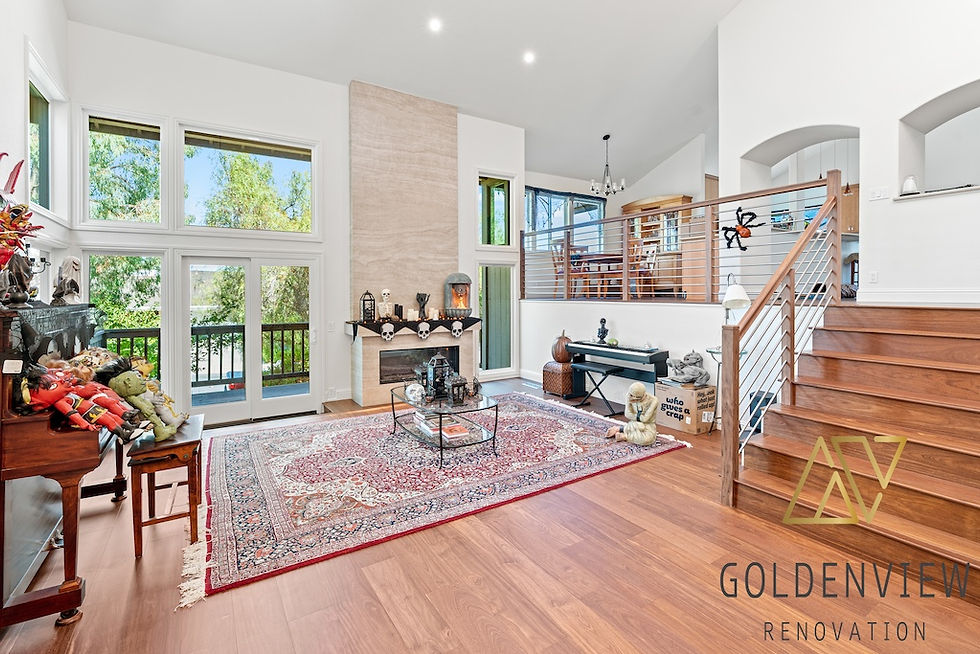
What Should Be Included in a Home Renovation Contract?
Picture this: you’ve finally decided to turn your current house into your dream home. From kitchen upgrades to room additions, the possibilities are exciting—but without the right home renovation contract, your remodeling project can unravel quickly.

The Benefits of In-House Design and Construction Services
Imagine stepping into your dream home—one that reflects your unique personality, meets your family’s needs, and is tailored with precision down to every square foot. Now, imagine that journey made seamless, guided by a single team from the first sketch to move-in day. With in-house house design and construction services, your vision becomes reality more efficiently and with less stress than ever before.


Find the Best Contractor for Room Additions in San Jose
Did you know that homeowners in San Jose see an average return of 65% on major home addition projects? With the competitive Bay Area housing market, adding new spaces isn’t just about extra square footage—it’s about making a smart investment. Whether you envision a custom home office, a spacious family room, or a guest suite, the right contractor for room addition in San Jose can help you transform your living space and significantly boost your property’s value.


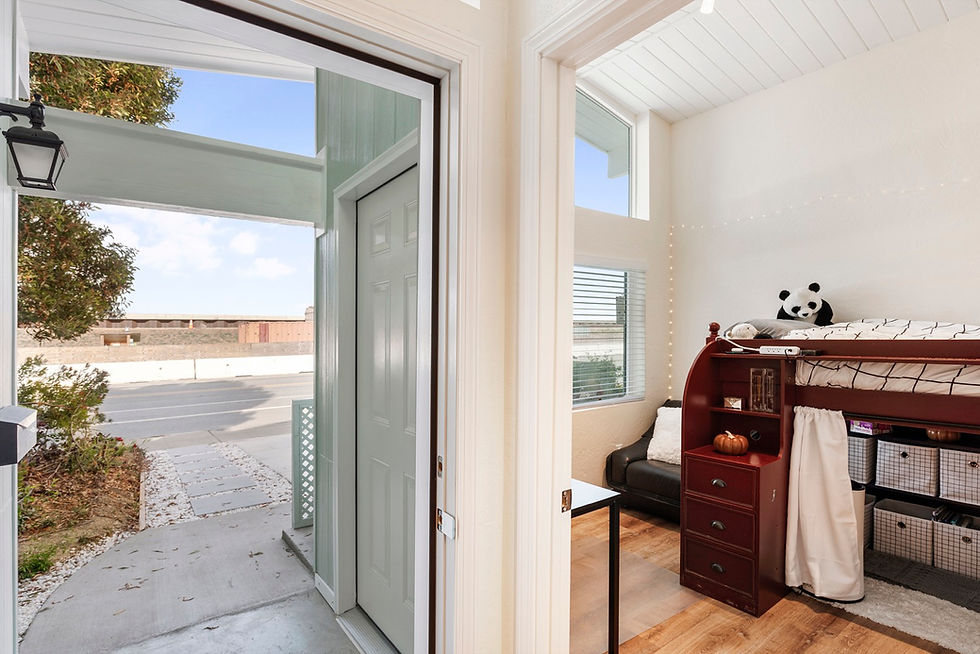
ADU – Accessory Dwelling Unit – Construction
San Jose’s zoning regulations have seen significant changes over the last few years. This shift is beneficial for homeowners. However, it also means much of the information found online is outdated, a point we frequently hear from homeowners. We want to share what truly matters for ADU projects right now.


Discover the Secret of San Jose Sustainable Modern House Design
Did you know that some San Jose homes adopting green building practices have reduced energy consumption by up to 40%? As sustainability takes center stage in the Bay Area, these modern homes are reshaping what it means to live well—and responsibly. If you're eager to reduce your carbon footprint and cut your energy bills, the secret to future-proof living might just be in the way these innovative homes are designed.
.jpg)
Smart Home Technology Integration for Bay Area Remodels
Did you know that nearly 60% of Bay Area homeowners now see smart home upgrades as essential in any new remodeling project? As technology swiftly reshapes the way we live, the demand for smart home remodels in the Bay Area is not just growing...

Unlock Stunning Home Renovation Ideas to Transform Your Space
Are you ready to reimagine your San Francisco Bay Area home with Inspiring home renovation ideas? Whether you wish to overhaul your living space or give it a simple, modern touch, the right renovation idea can make all the difference....

.jpg)
Energy-Efficient Renovation Upgrades That Lower Utility Bills
Imagine walking into your home on a hot summer afternoon, greeted by cool, refreshing air and bright natural sunlight streaming through efficient windows—knowing all the while that your monthly utility bills are lower than ever. This is the reality for homeowners who invest in energy-efficient renovation upgrades.

Eco-Friendly Kitchen Remodeling: Sustainable Design Options for Bay Area Homes
Did you know that kitchen remodels account for a significant percentage of landfill waste in the Bay Area each year? This eye-opening fact highlights why more Bay Area homeowners are turning to eco-friendly kitchen remodeling as a way to minimize environmental impact, boost home value, and create healthier spaces for their families...

.jpg)
Modernizing an Older Bay Area Home Without Losing Its Character
Ever wondered if it's possible to give your historic Bay Area home a fresh, modern feel—without erasing the charm and craftsmanship that make it unique? Welcome to the ultimate guide for homeowners determined to modernize their classic Bay Area homes while carefully preserving their soul.


Garage Conversions in San Jose: A Smart Way to Add Living Space
Ever wondered if your garage could be the key to unlocking more living space and greater property value, all without the hassle of a full-scale home remodel? In San Jose's bustling housing market, space is at a premium and smart upgrades matter


Plan a Stress Free Home Remodel in the San Francisco Bay Area.
Did you know that over 60% of Bay Area homeowners report delays or unexpected expenses in their home remodeling projects? Despite the region’s thriving architecture and design scene, navigating permits, budgets, and local contractors ....

Home Additions in San Jose Expand Your Space the Right Way
Many envision a home addition as simply adding square footage to a house. For us, a home addition involves much more. In San Jose, a renovation means carefully designing new living space. This new area integrates with your existing structure, foundation, roof, electrical panel, and plumbing lines. It touches nearly every system within your home.

How to Choose the Right General Contractor for Your Renovation Project
Imagine embarking on your dream home renovation: the perfect open-concept kitchen, a sun-soaked addition, or a fully refreshed bathroom. But one decision could make or break your experience—the general contractor you choose. With the right professional leading the way, your renovation becomes smooth, headache-free, and ultimately, a rewarding investment in your home’s future.


Should You Renovate Before Selling Your Home?
Imagine potential buyers stepping into your home and instantly picturing it as their own—modern, refreshed, and move-in ready. That impression can mean the difference between a quick, profitable sale or your listing lingering on the market.

How Structural Changes Affect Your Home Renovation Budget and Timeline
Imagine beginning a home remodel in San Jose, expecting a fresh coat of paint and new floors—only to find out you need to reinforce your home’s foundation or move load-bearing walls. These unforeseen structural changes aren’t just a headache; they can significantly impact your renovation budget and schedule.

General Contracting in San Jose Done Right — From First Plan to Final Walkthrough
Most people contact us when they have a renovation project involving multiple trades. You might want to open up your kitchen, add a bathroom, or convert your garage into an accessory dwelling unit (ADU). General contracting brings all these elements together, so you don’t need to manage each one separately.


Top Home Renovation Trends Bay Area Homeowners Are Choosing This Year
Imagine stepping into a sunlit Bay Area living room, fresh air mingling with the aroma of blooming jasmine from your backyard, all thanks to a recent home renovation. Across San Jose and the entire Bay Area, homeowners are transforming their living spaces to embrace sustainability, flexibility, and smart technology...


Bathroom Renovations in San Jose That Transform How You Start Your Day
You’ve recaulked the tub twice this year. The grout looks dingy no matter how hard you scrub. And that soft spot near the toilet isn’t getting better on its own. We see situations like this every week in San Jose homes....


How 3D Design Renderings Help Homeowners Avoid Costly Mistakes
Picture this: You’ve poured months of planning into your dream home renovation, only to realize—after work begins—that the dining room feels cramped or your windows don’t capture the right light. What if you could walk through your redesigned spaces, experiment with different layouts, and spot issues all before a single wall is touched?

Design-Build vs General Contractor: Which Is Right for Your Renovation?
Imagine coming home to a beautifully remodeled kitchen or bathroom, designed just for your Bay Area lifestyle. The transformation is seamless when you choose the right partner—yet with so many options ...
Seismic Retrofitting During a Bay Area Home Remodel
A Startling Look at Seismic Risks in the Bay Area. Living in the San Francisco Bay Area offers many advantages, but it also presents significant seismic risks. This region sits on some of North America’s most active fault lines, including the notorious San Andreas Fault....
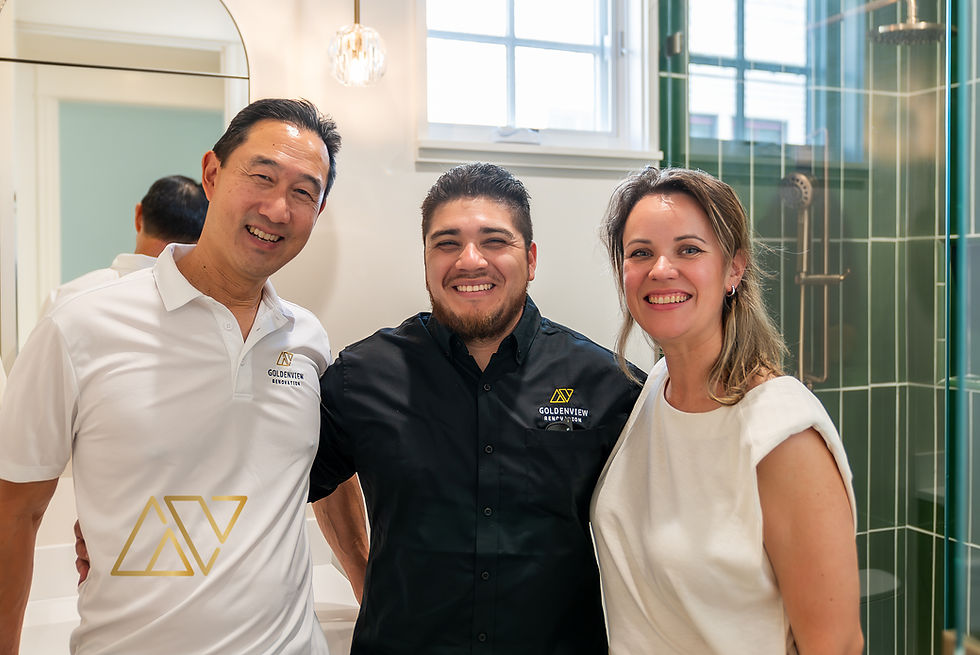
Luxury Home Renovation Ideas for Bay Area Properties
Imagine unlocking the full potential of your Bay Area home—sunlight pouring through floor-to-ceiling windows, open-concept rooms designed for entertaining, and smart technology that adapts to your lifestyle. Whether you live in San Jose or San Francisco, a home renovation is your key to elevating comfort, value, and style.


ADU vs Home Addition: Which Option Is Best for Your Property?
Imagine standing in your own backyard, blueprint in hand, envisioning all the ways you could expand—maybe an accessory dwelling unit (ADU) for family or rental income, or a spacious home addition for a growing household. As Bay Area homeowners look to enhance property value or accommodate changing family needs ....


